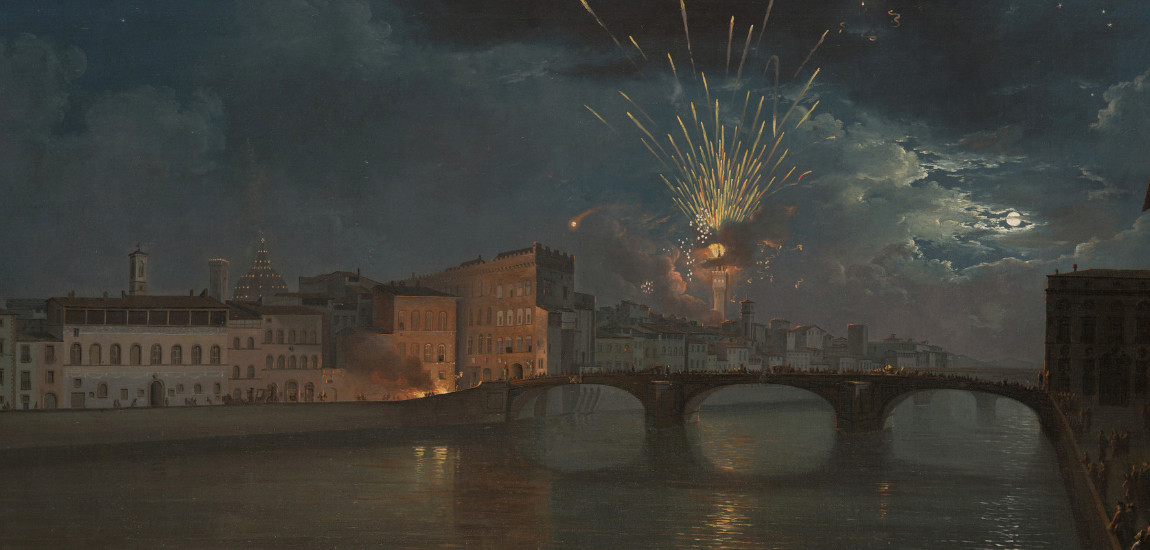
 Florence is a city that has always done things
a little in its own way, as demonstrated by the fact that for 168 years it
celebrated the New Year on a different day than the rest of Italy.The Florentine New
Year is celebrated on 25 March, the date
corresponding to...
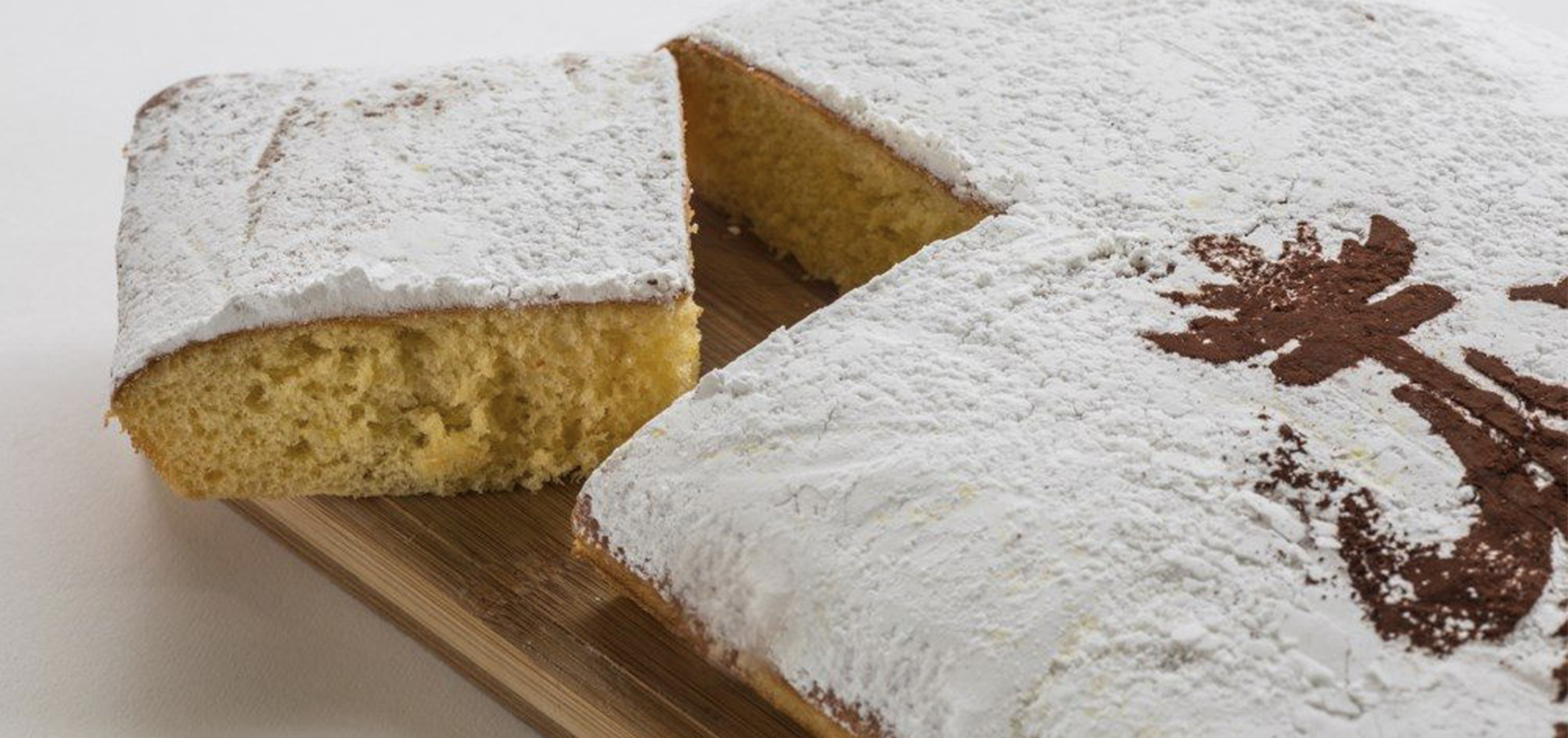 It is known that Tuscan cuisine is a “poor” cuisine made of
simple ingredients, but very tasty nonetheless and much appreciated worldwide.
The typical Tuscan dishes are linked to the rural tradition and the products
that come from the countryside, most of them have a story to tell.
The desserts...
 Next
to the entrance to the Basilica of Santa Croce, stands the monument to Dante Alighieri, made
in 1865 on the occasion of the celebrations for the six hundredth
anniversary of Dante, in the first year of Florence as Capital.
Enrico
Pazzi, a sculptor from Emilia, was called to make...
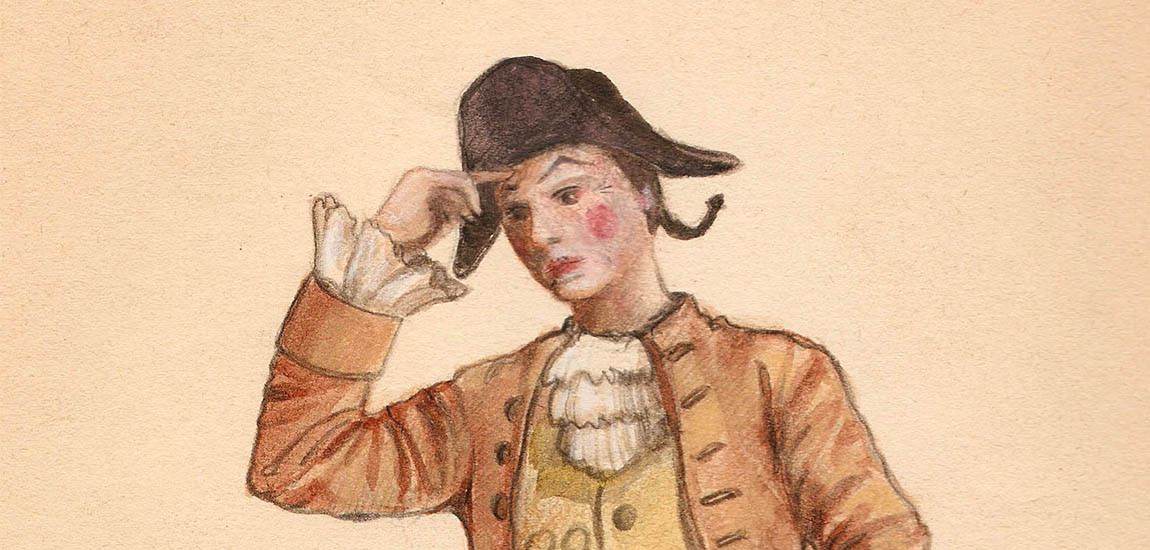 In Naples there
is the famous Pulcinella, in Venice there is Colombina and in Bergamo there are
Arlecchino and Brighella, but what about in Florence? We also have our
traditional carnival mask, he's called Stenterello, because of
his puny and haggard appearance, of a man who seems to have, in
fact, grown up in hardship (from the...
 Many have been contending for the paternity of the invention of glasses
since Roman times, and among these are Pisa and Florence, the eternal
rivals. Even China has tried to claim the paternity of the invention of
glasses, but Chinese chronicles report that it was the Jesuit
missionaries who imported...
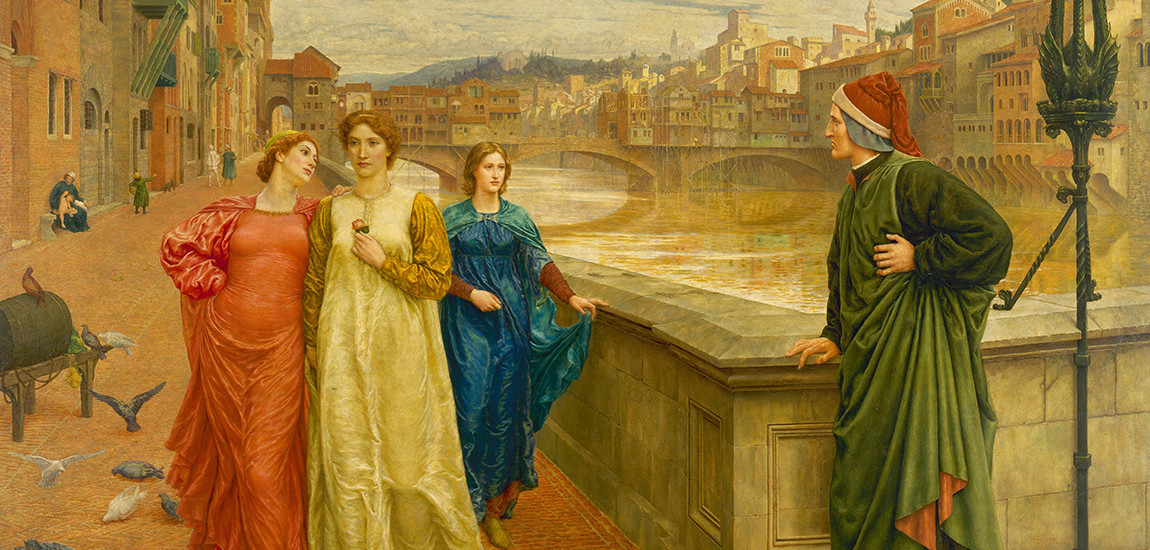 “Tanto
gentile e tanto onesta parela
donna mia quand’ella altrui saluta,ch’ogne
lingua deven tremando muta
e
gli occhi no l’ardiscon di guardare.” (Muéstrase tan hermosa y recatadala dama mía si un saludo ofreceque toda lengua, trémula, enmudecey los ojos se guardan la mirada.) Así, Dante Alighieri nos presenta su amada Beatrice en...
 On February 9, 1858, Michelangelo Buonarroti’s house,
located at number 70 of Via Ghibellina, became a museum.Since he was young, Michelangelo had dreamed of
creating a patrician house to leave as inheritance to his descendants, a dream
that he never managed to realize during his lifetime.It was his grandson, Michelangelo...
 The Commesso
Fiorentino, or Florentine mosaic, is a decorative technique that is often
confused with the Roman mosaic from which it originates, and was used to create
paintings, decorate furniture such as tables and chests of drawers or for wall
coverings.The word “commesso”
derives from the Latin verb “committere”,
meaning...
 On January 26th, in Florence we celebrate San Zanobi (Saint Zenobius)
so you might see a garland of flowers at the base of the column in
Piazza Duomo, aptly named the column of San Zanobi.
This column is located next to the Baptistery, but many
people, including Florentines, walk past...
 Dating back to primitive paintings and already
widely used in the Middle Ages, the sgraffito
technique was all the rage during the Renaissance, particularly in
Florence and Rome, going in parallele with the spread of grottesca decoration.The name derives from the pointed instrument used
for this technique, which was called...