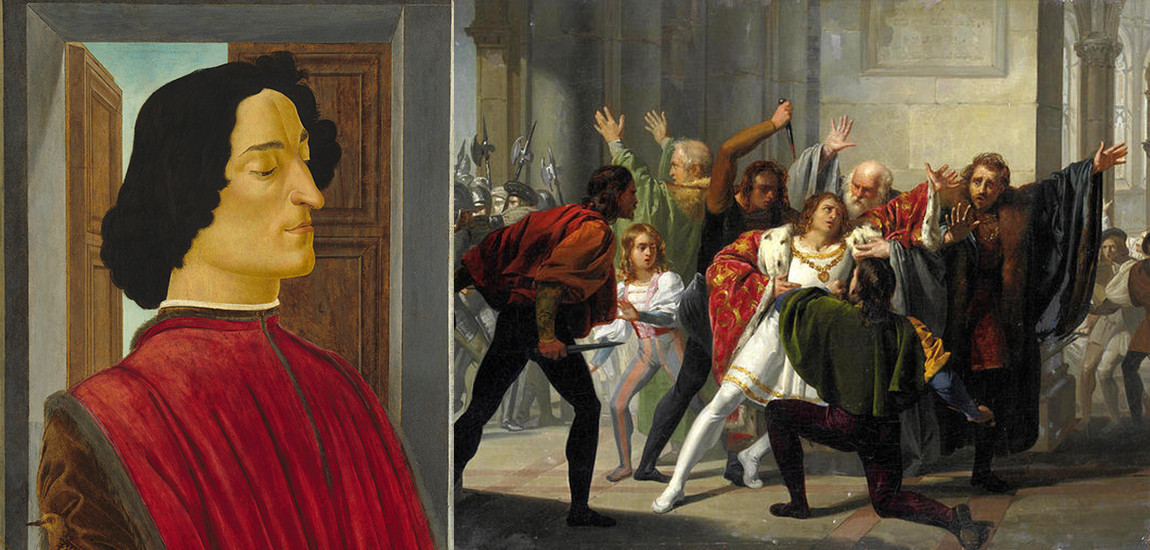
 The members of the Medici family were as much loved by the
people as they were hated by the rival families who aimed to take their
place in power. Among these we find the Pazzi, also bankers, who harbored a visceral hatred for Lorenzo the Magnificent and Giuliano, his brother....
The members of the Medici family were as much loved by the
people as they were hated by the rival families who aimed to take their
place in power. Among these we find the Pazzi, also bankers, who harbored a visceral hatred for Lorenzo the Magnificent and Giuliano, his brother....
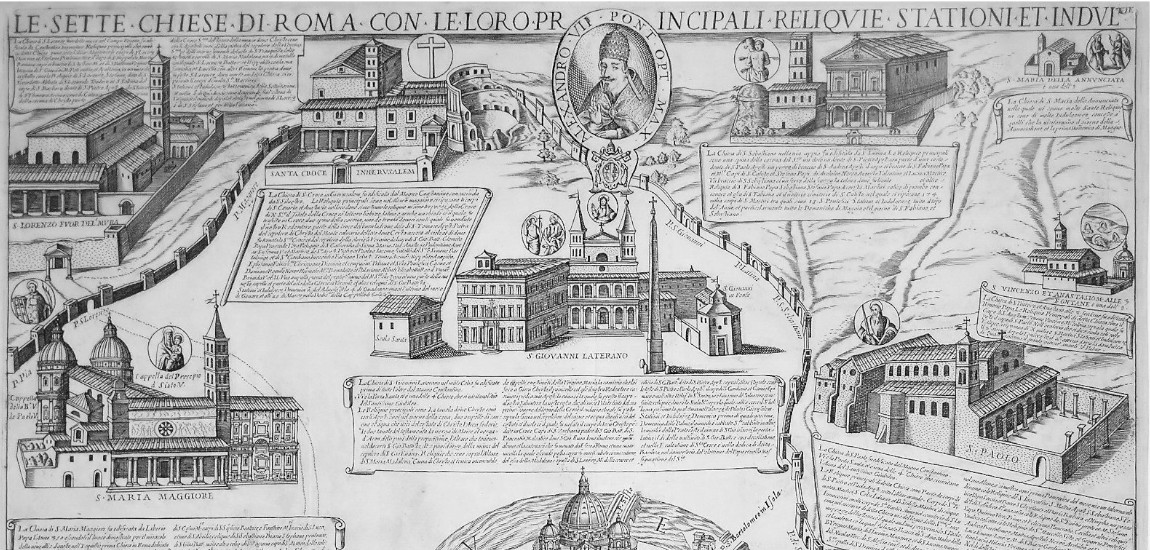 “Fare
il giro delle sette chiese” (“To tour the seven churches”) is an expression
that is often heard, but today it has taken on a different meaning from the
original. We use it to say “to have worked hard to do something without having
succeeded”, but originally the expression literally...
“Fare
il giro delle sette chiese” (“To tour the seven churches”) is an expression
that is often heard, but today it has taken on a different meaning from the
original. We use it to say “to have worked hard to do something without having
succeeded”, but originally the expression literally...
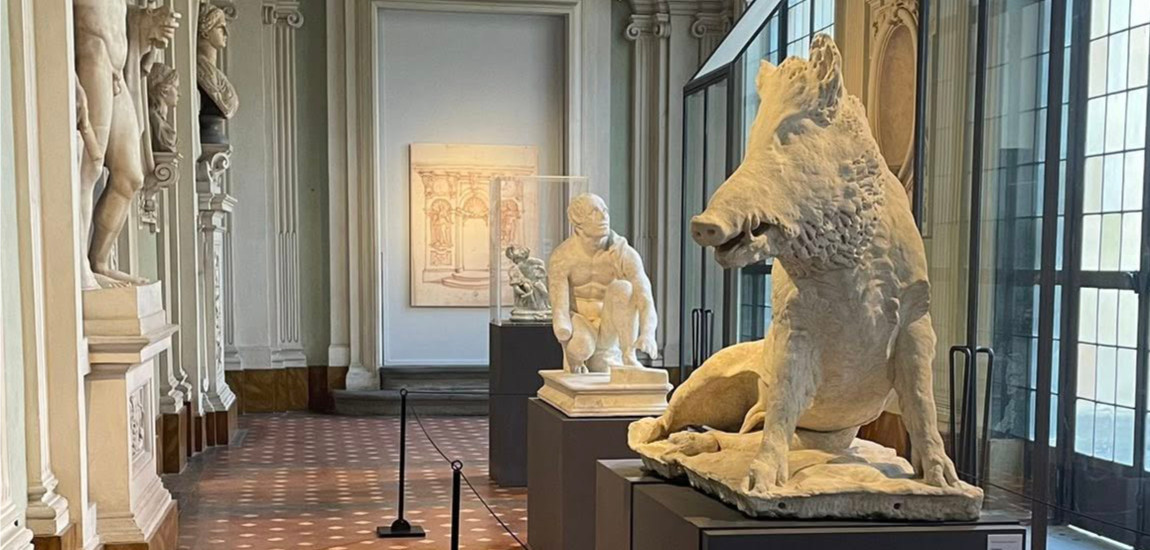 Florence celebrates the multifaceted genius
of Giovan Battista Foggini (1652 –
1725) with a monographic exhibition at Palazzo
Medici Riccardi, organized on the occasion of the third centenary of the
artist’s death.
Foggini was one of the most influential artists of late-Medici Florence,
dedicating himself to various disciplines and excelling...
Florence celebrates the multifaceted genius
of Giovan Battista Foggini (1652 –
1725) with a monographic exhibition at Palazzo
Medici Riccardi, organized on the occasion of the third centenary of the
artist’s death.
Foggini was one of the most influential artists of late-Medici Florence,
dedicating himself to various disciplines and excelling...
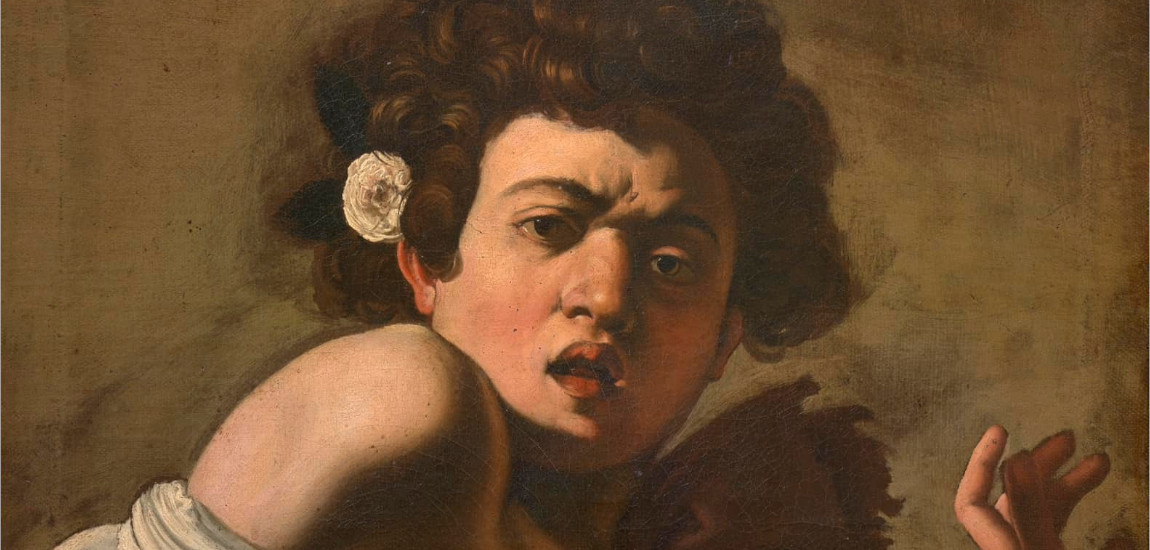 From
March 27 to July 20, Villa Bardini hosts
the exhibition Caravaggio e il Novecento.
Roberto Longhi, Anna Banti, which explores the relationships that the
couple had with important artists and figures of the twentieth century.
Roberto Longhi was one of the most
important art historians in Italy and the...
From
March 27 to July 20, Villa Bardini hosts
the exhibition Caravaggio e il Novecento.
Roberto Longhi, Anna Banti, which explores the relationships that the
couple had with important artists and figures of the twentieth century.
Roberto Longhi was one of the most
important art historians in Italy and the...
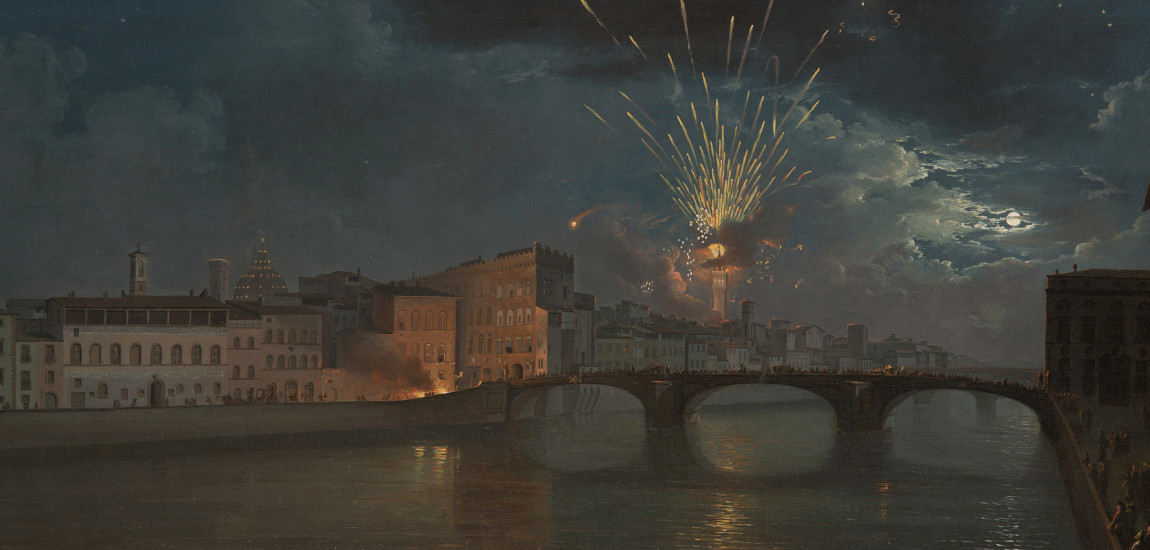 Florence is a city that has always done things
a little in its own way, as demonstrated by the fact that for 168 years it
celebrated the New Year on a different day than the rest of Italy.The Florentine New
Year is celebrated on 25 March, the date
corresponding to...
Florence is a city that has always done things
a little in its own way, as demonstrated by the fact that for 168 years it
celebrated the New Year on a different day than the rest of Italy.The Florentine New
Year is celebrated on 25 March, the date
corresponding to...
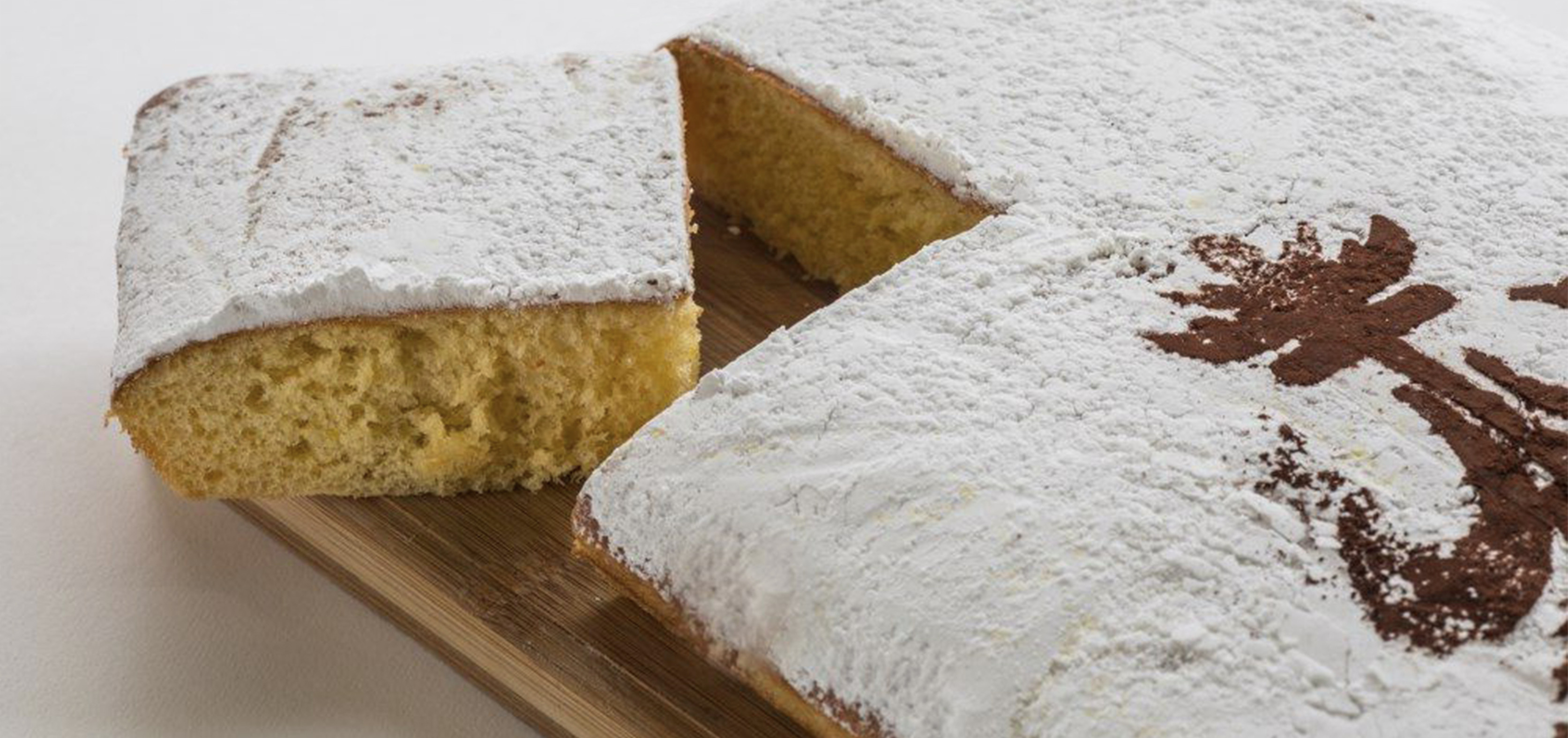 It is known that Tuscan cuisine is a “poor” cuisine made of
simple ingredients, but very tasty nonetheless and much appreciated worldwide.
The typical Tuscan dishes are linked to the rural tradition and the products
that come from the countryside, most of them have a story to tell.
The desserts...
It is known that Tuscan cuisine is a “poor” cuisine made of
simple ingredients, but very tasty nonetheless and much appreciated worldwide.
The typical Tuscan dishes are linked to the rural tradition and the products
that come from the countryside, most of them have a story to tell.
The desserts...
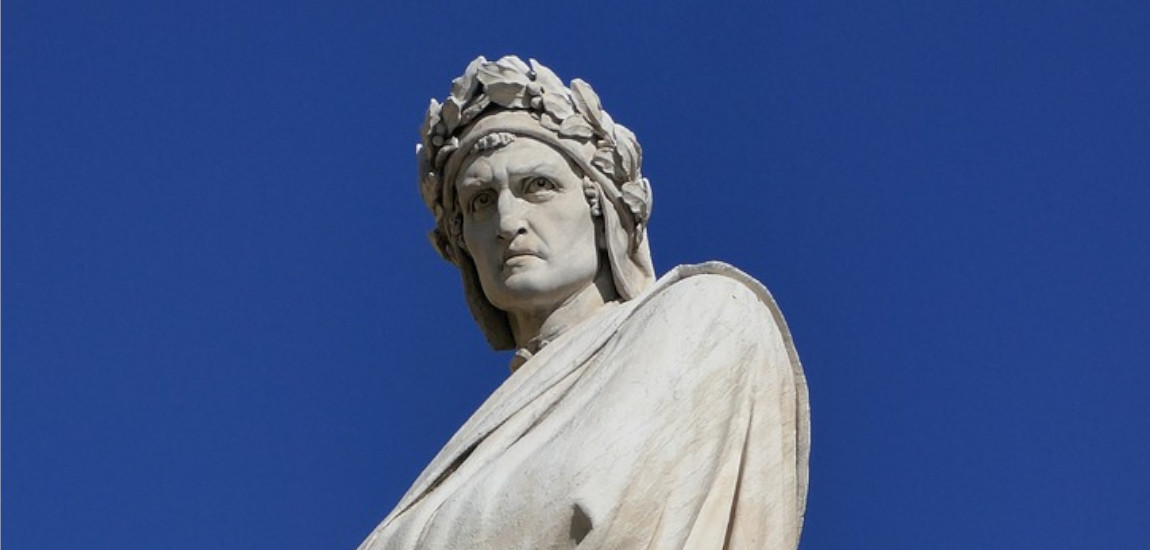 Next
to the entrance to the Basilica of Santa Croce, stands the monument to Dante Alighieri, made
in 1865 on the occasion of the celebrations for the six hundredth
anniversary of Dante, in the first year of Florence as Capital.
Enrico
Pazzi, a sculptor from Emilia, was called to make...
Next
to the entrance to the Basilica of Santa Croce, stands the monument to Dante Alighieri, made
in 1865 on the occasion of the celebrations for the six hundredth
anniversary of Dante, in the first year of Florence as Capital.
Enrico
Pazzi, a sculptor from Emilia, was called to make...
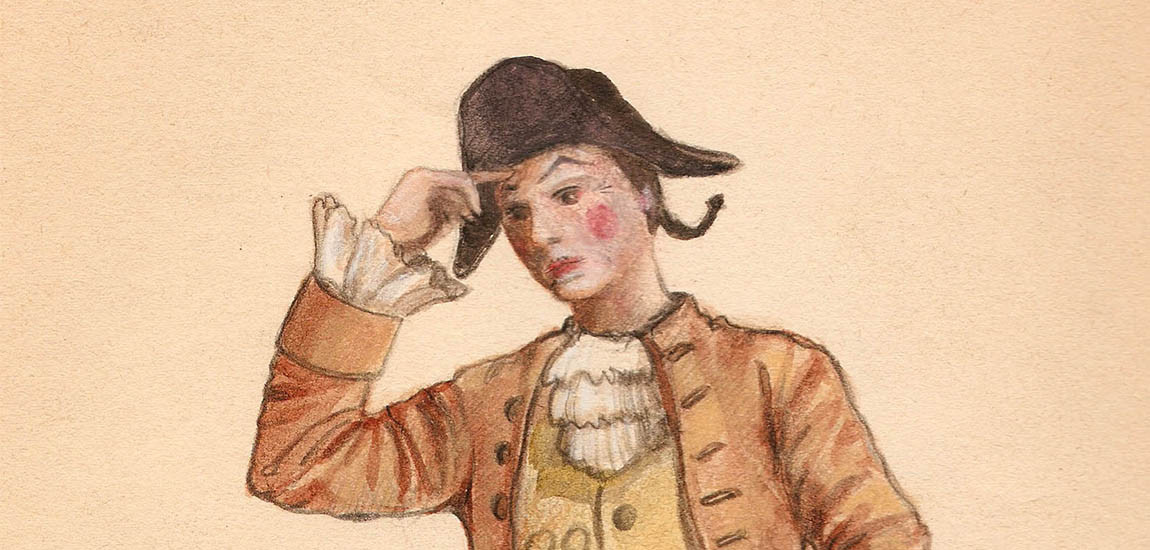 In Naples there
is the famous Pulcinella, in Venice there is Colombina and in Bergamo there are
Arlecchino and Brighella, but what about in Florence? We also have our
traditional carnival mask, he's called Stenterello, because of
his puny and haggard appearance, of a man who seems to have, in
fact, grown up in hardship (from the...
In Naples there
is the famous Pulcinella, in Venice there is Colombina and in Bergamo there are
Arlecchino and Brighella, but what about in Florence? We also have our
traditional carnival mask, he's called Stenterello, because of
his puny and haggard appearance, of a man who seems to have, in
fact, grown up in hardship (from the...
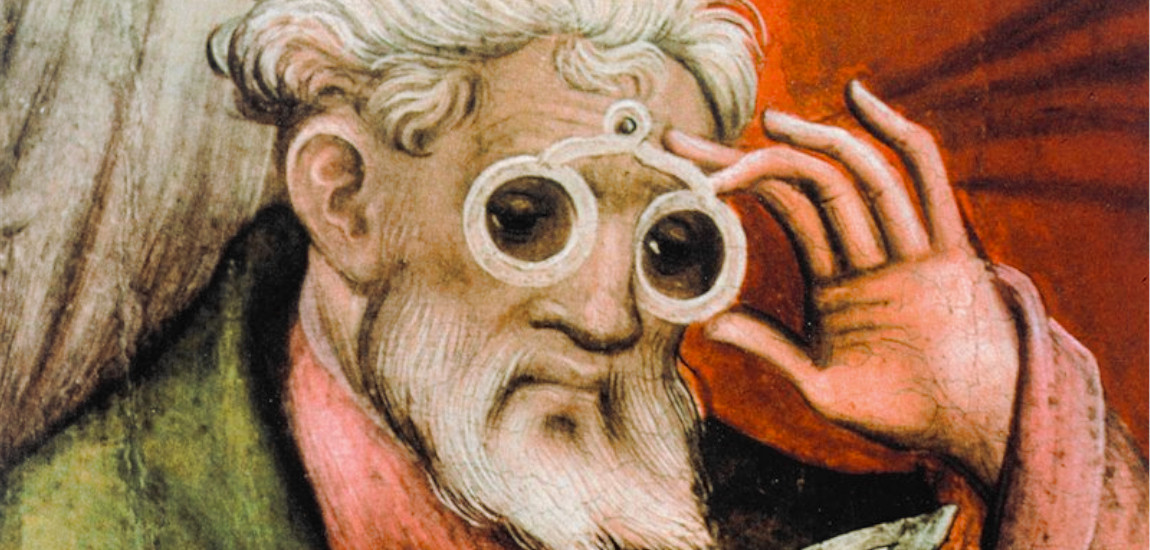 Many have been contending for the paternity of the invention of glasses
since Roman times, and among these are Pisa and Florence, the eternal
rivals. Even China has tried to claim the paternity of the invention of
glasses, but Chinese chronicles report that it was the Jesuit
missionaries who imported...
Many have been contending for the paternity of the invention of glasses
since Roman times, and among these are Pisa and Florence, the eternal
rivals. Even China has tried to claim the paternity of the invention of
glasses, but Chinese chronicles report that it was the Jesuit
missionaries who imported...
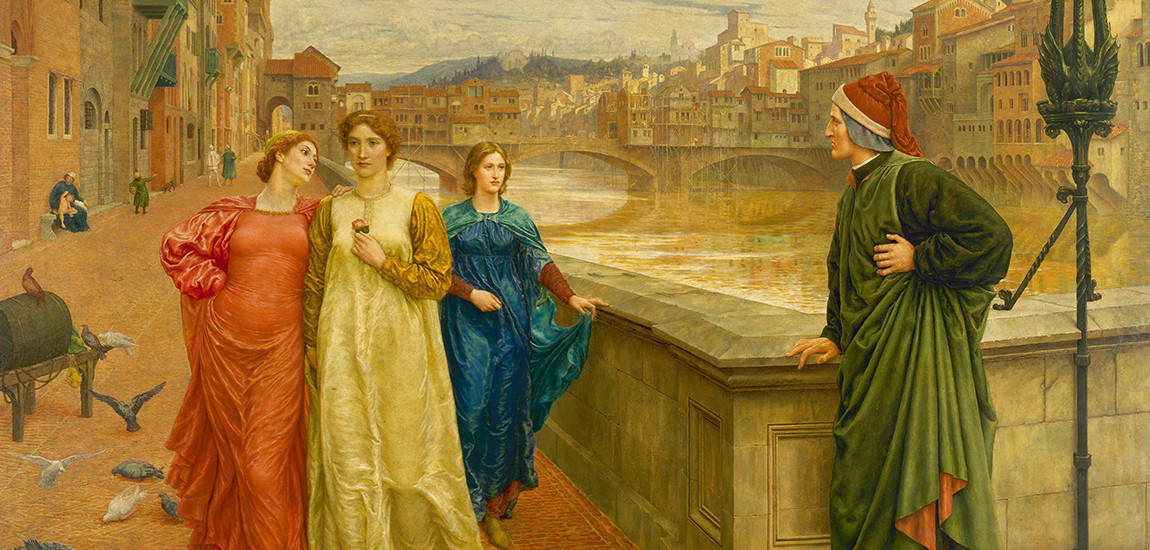 “Tanto
gentile e tanto onesta parela
donna mia quand’ella altrui saluta,ch’ogne
lingua deven tremando muta
e
gli occhi no l’ardiscon di guardare.” (Muéstrase tan hermosa y recatadala dama mía si un saludo ofreceque toda lengua, trémula, enmudecey los ojos se guardan la mirada.) Así, Dante Alighieri nos presenta su amada Beatrice en...
“Tanto
gentile e tanto onesta parela
donna mia quand’ella altrui saluta,ch’ogne
lingua deven tremando muta
e
gli occhi no l’ardiscon di guardare.” (Muéstrase tan hermosa y recatadala dama mía si un saludo ofreceque toda lengua, trémula, enmudecey los ojos se guardan la mirada.) Así, Dante Alighieri nos presenta su amada Beatrice en...