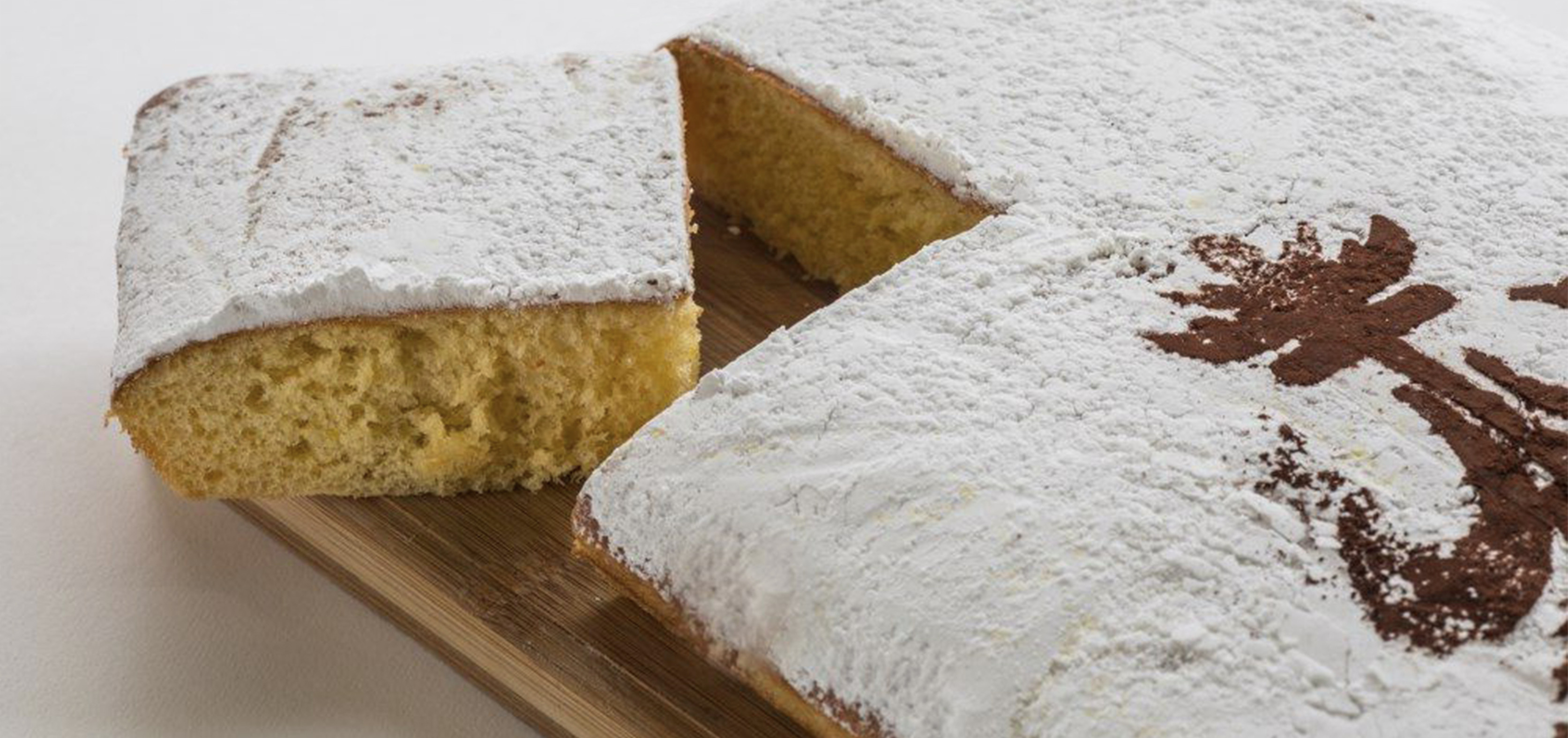
 It is known that Tuscan cuisine is a “poor” cuisine made of
simple ingredients, but very tasty nonetheless and much appreciated worldwide.
The typical Tuscan dishes are linked to the rural tradition and the products
that come from the countryside, most of them have a story to tell.
The desserts...
It is known that Tuscan cuisine is a “poor” cuisine made of
simple ingredients, but very tasty nonetheless and much appreciated worldwide.
The typical Tuscan dishes are linked to the rural tradition and the products
that come from the countryside, most of them have a story to tell.
The desserts...
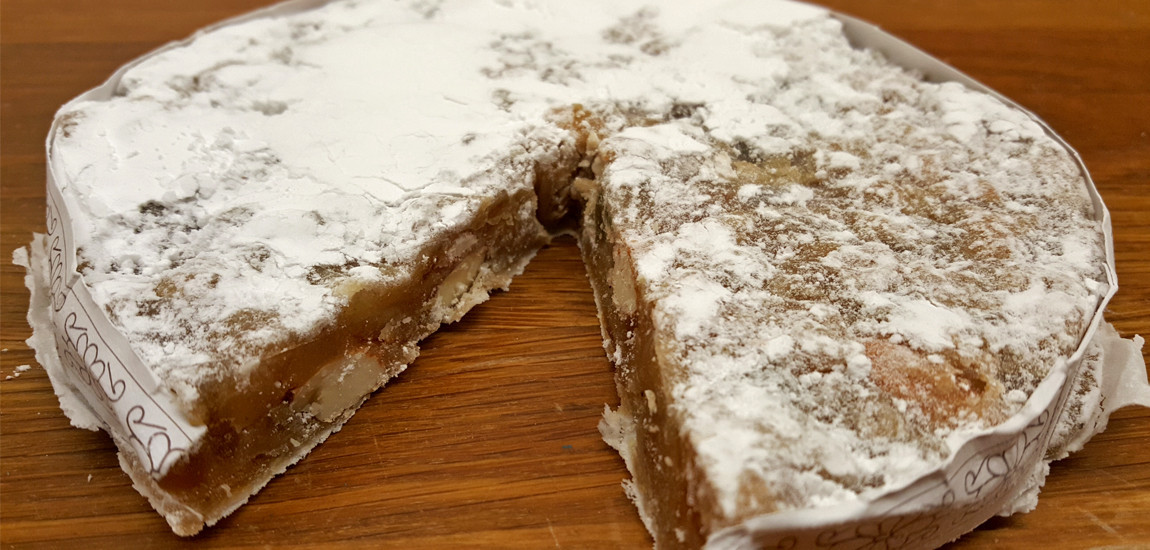 One
of the most typical desserts made in Tuscany - in Siena to be exact - is panforte.
A spicy and sweet cake that is consumed during the Christmas period along with
the well-known panettone. This dessert has very ancient origins, it is the
direct descendant of the pan melato,...
One
of the most typical desserts made in Tuscany - in Siena to be exact - is panforte.
A spicy and sweet cake that is consumed during the Christmas period along with
the well-known panettone. This dessert has very ancient origins, it is the
direct descendant of the pan melato,...
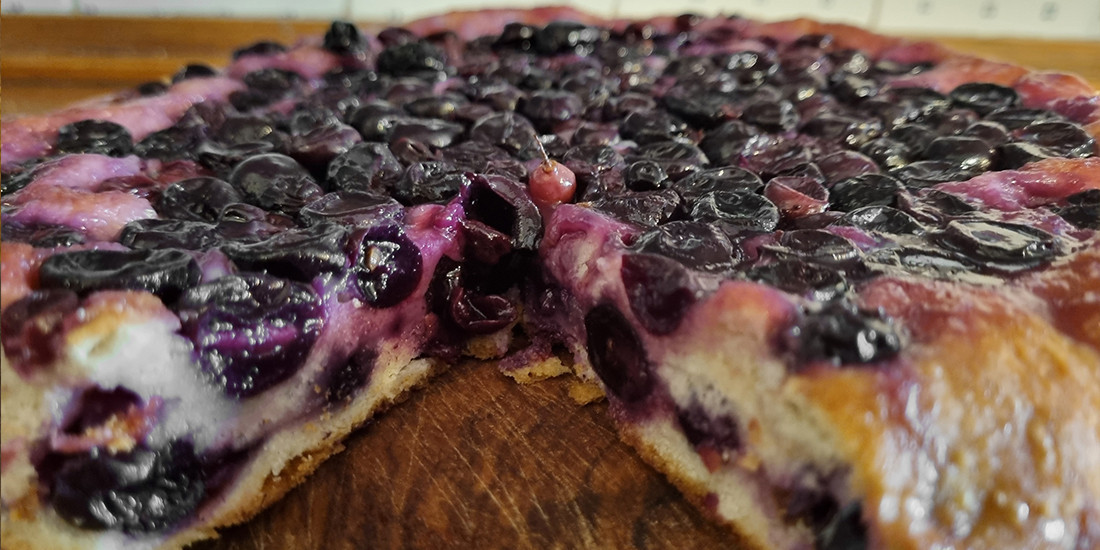 Tuscany is particularly beautiful at this
time of the year. The days are getting cooler, the leaves slowly begin to
change color and the warm and genuine dishes of Tuscan cuisine return to delight
us. Furthermore, the harvest already took place and produced, in addition to the grapes
for the...
Tuscany is particularly beautiful at this
time of the year. The days are getting cooler, the leaves slowly begin to
change color and the warm and genuine dishes of Tuscan cuisine return to delight
us. Furthermore, the harvest already took place and produced, in addition to the grapes
for the...
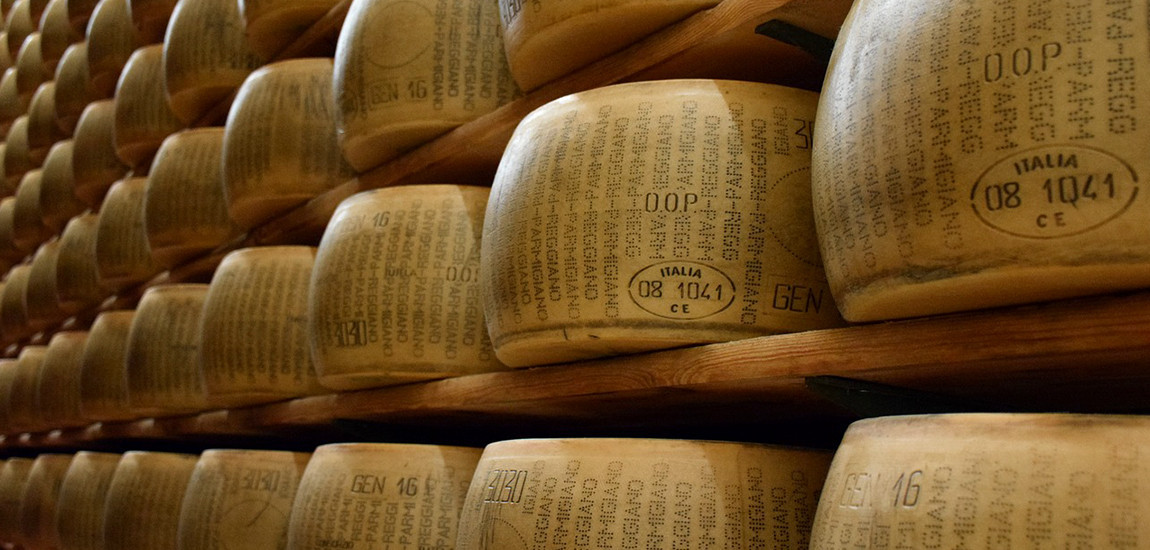 Parmigiano Reggiano is one of the oldest and richest cheeses
known in the world, the King of Cheeses. Its nutritional and organoleptic
features render this cheese a unique and superior product, appreciated
worldwide and absolutely indispensable to whoever wants to make authentic
Italian dishes.Not to be confused with Grana
Padano,...
Parmigiano Reggiano is one of the oldest and richest cheeses
known in the world, the King of Cheeses. Its nutritional and organoleptic
features render this cheese a unique and superior product, appreciated
worldwide and absolutely indispensable to whoever wants to make authentic
Italian dishes.Not to be confused with Grana
Padano,...
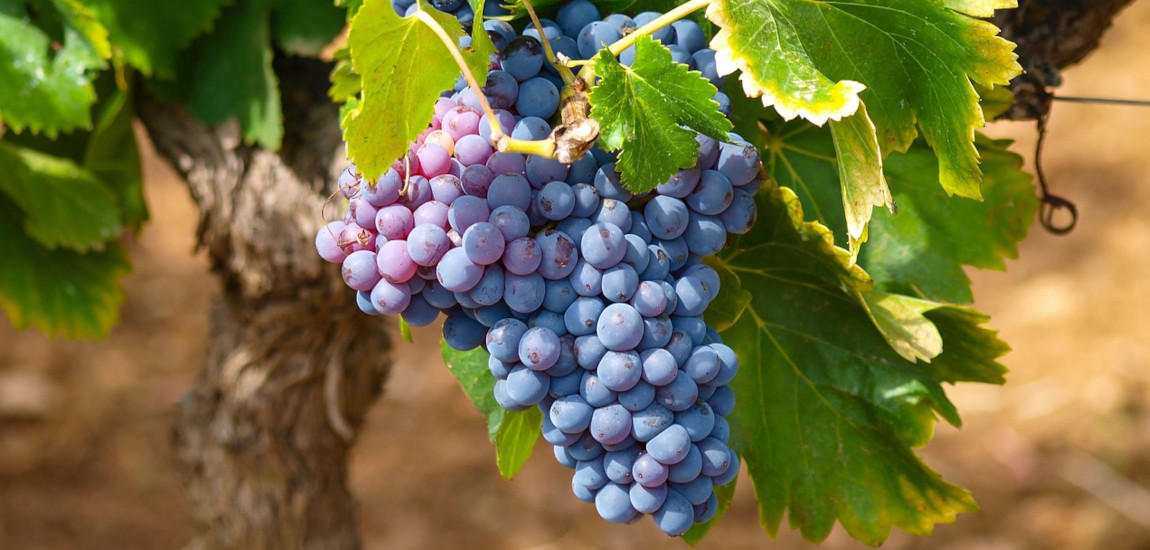 When we
think of Tuscany, the first image that comes to mind is that of green and
yellow hills, tall cypress trees and vineyards. Tuscan wine is a product of the
highest quality, which has found great success on international markets and has
made us famous throughout the world.
September...
When we
think of Tuscany, the first image that comes to mind is that of green and
yellow hills, tall cypress trees and vineyards. Tuscan wine is a product of the
highest quality, which has found great success on international markets and has
made us famous throughout the world.
September...
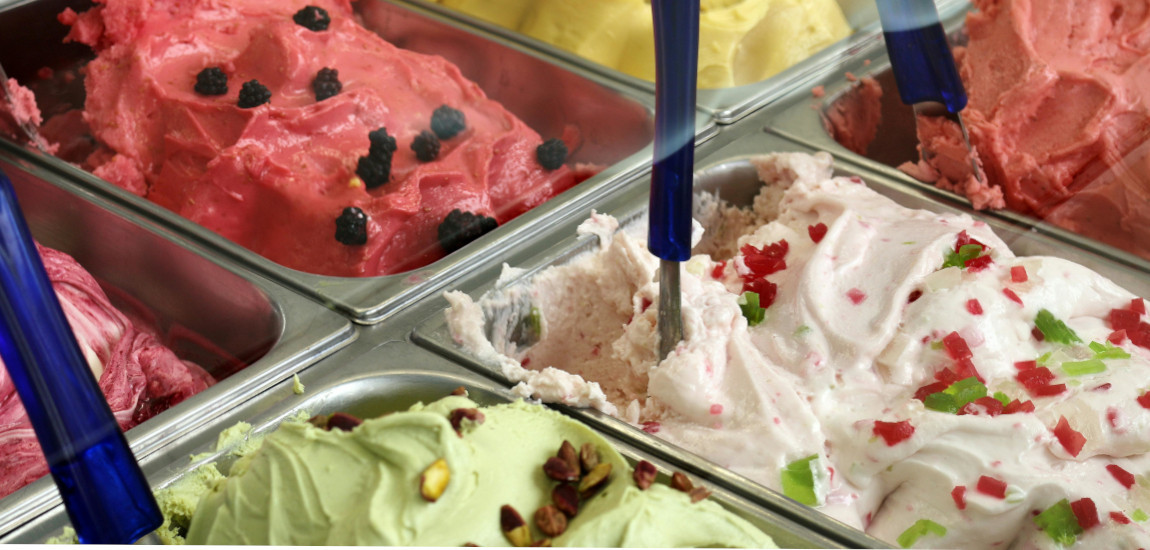 Italy is famous for being the birth place of gelato,
but not everyone knows that the original recipe was born in Florence.The first ancestor of ice cream could already be found
in China around 2000 BC. It was prepared with cooked rice, spices and milk, and
then "frozen" under the...
Italy is famous for being the birth place of gelato,
but not everyone knows that the original recipe was born in Florence.The first ancestor of ice cream could already be found
in China around 2000 BC. It was prepared with cooked rice, spices and milk, and
then "frozen" under the...
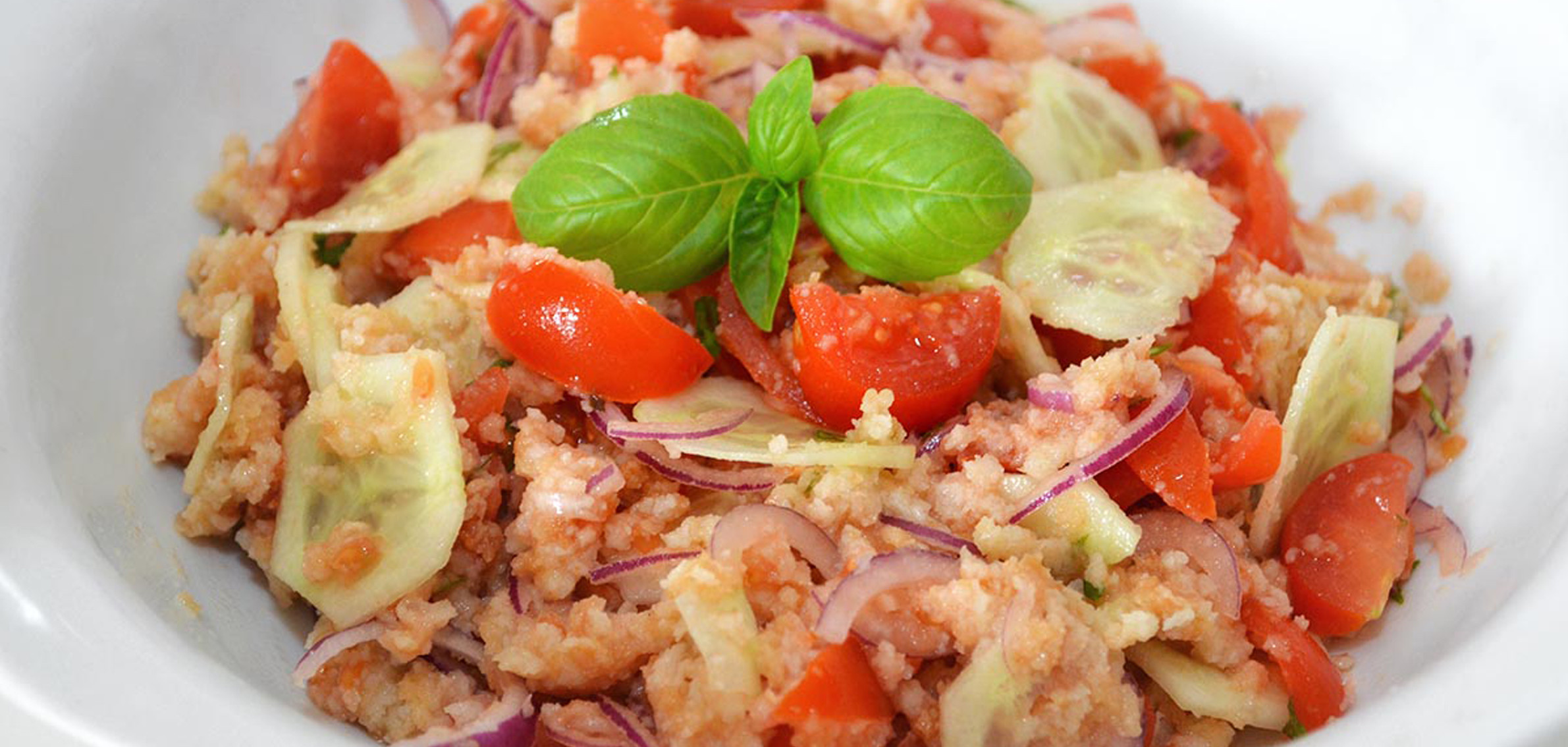 Eating well in the summer can be difficult when the heat makes you want to give up cooking on the stove, but there is a traditional Tuscan dish that will solve this problem and will also stimulate the most refined palates, despite its simplicity: Panzanella!
A fresh and substantial dish,...
Eating well in the summer can be difficult when the heat makes you want to give up cooking on the stove, but there is a traditional Tuscan dish that will solve this problem and will also stimulate the most refined palates, despite its simplicity: Panzanella!
A fresh and substantial dish,...
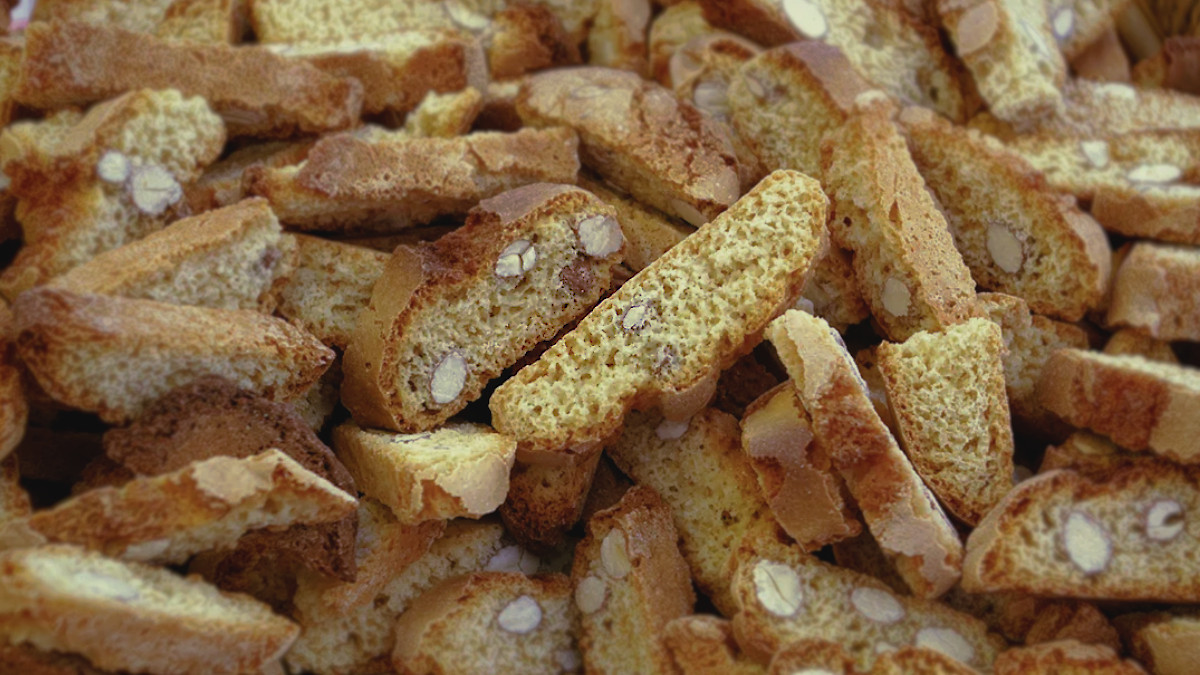 The most typical Tuscan dessert,
which you will find in all restaurants, is for sure Cantucci Toscani, or Cantucci di Prato with Vin Santo.Delicious dry almond biscuits,
strictly to be consumed dipped in Vin Santo! The sweet and crunchy biscuits go
perfectly with this fortified wine typical of our region,...
The most typical Tuscan dessert,
which you will find in all restaurants, is for sure Cantucci Toscani, or Cantucci di Prato with Vin Santo.Delicious dry almond biscuits,
strictly to be consumed dipped in Vin Santo! The sweet and crunchy biscuits go
perfectly with this fortified wine typical of our region,...
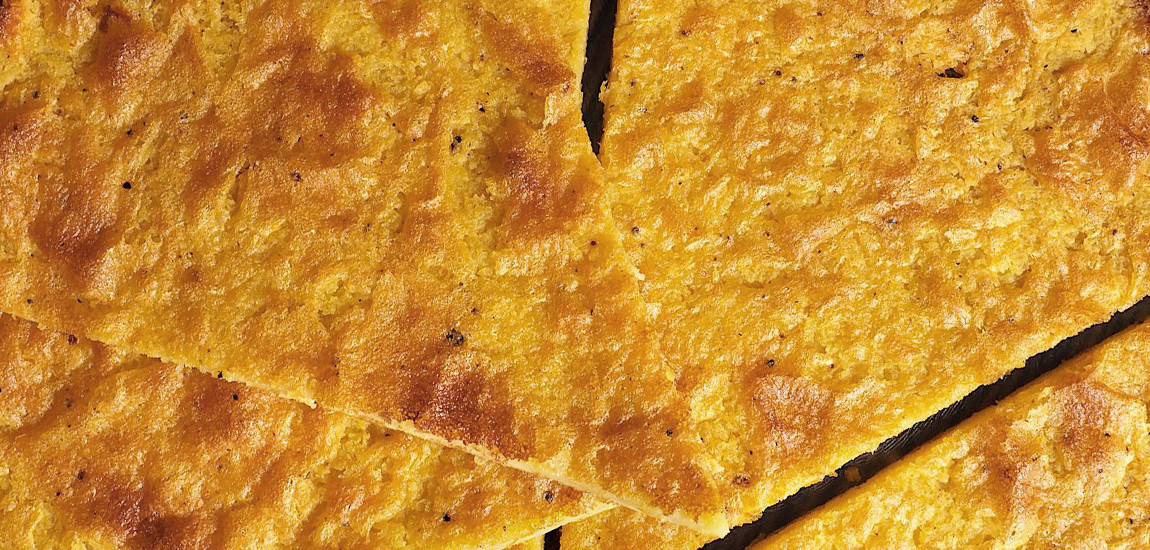 Cecìna, or
also chickpea farinata, is a
delicious chickpea flour pancake, a dish suitable for all seasons that goes
well with many foods. It can be found throughout Tuscany and Liguria. In fact,
there is a dispute about the origin of this recipe between the two regions that
has been...
Cecìna, or
also chickpea farinata, is a
delicious chickpea flour pancake, a dish suitable for all seasons that goes
well with many foods. It can be found throughout Tuscany and Liguria. In fact,
there is a dispute about the origin of this recipe between the two regions that
has been...
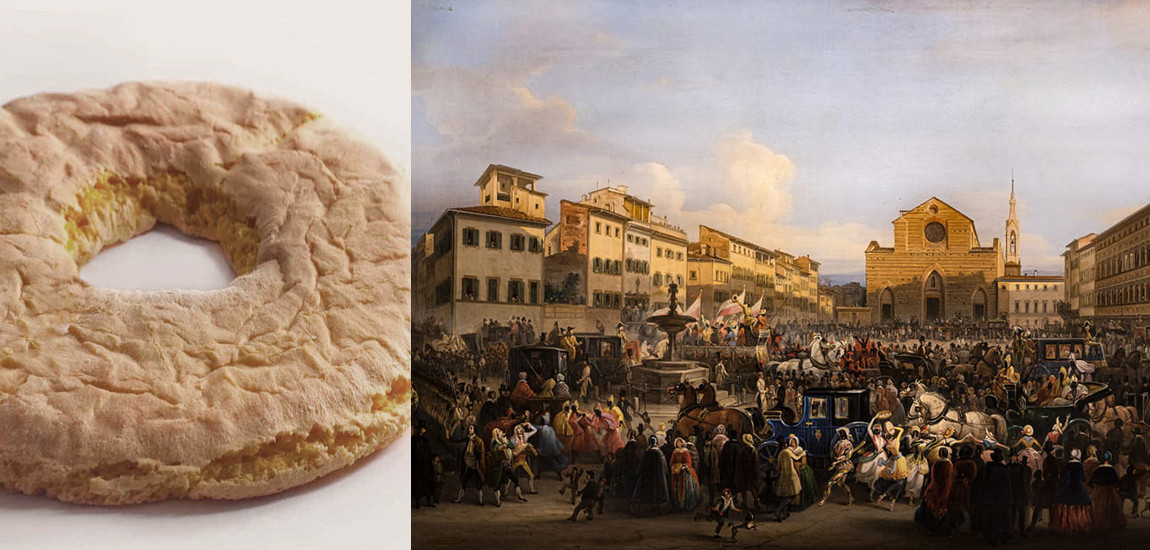 Fat Thursday is the last Thursday of Carnival, before
Lent, when people once allowed themselves to eat more "fattily" than
usual to prepare for the Lenten fasts.On this date, the Berlingaccio,
so called in Tuscany, was celebrated in Florence. The name refers in a way to
the act of filling...
Fat Thursday is the last Thursday of Carnival, before
Lent, when people once allowed themselves to eat more "fattily" than
usual to prepare for the Lenten fasts.On this date, the Berlingaccio,
so called in Tuscany, was celebrated in Florence. The name refers in a way to
the act of filling...
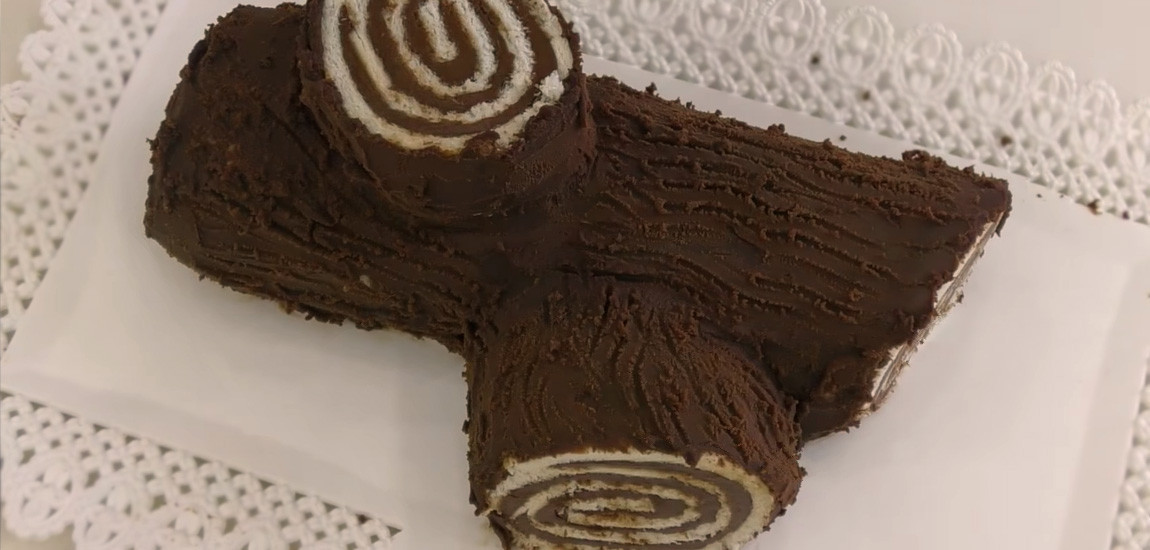 It's
not easy to end the Christmas lunch on a high note after tasting the most
delicious family recipes. However, if you are looking for a dessert that is
both tasty and beautiful to look at, you can’t
go wrong with a great classic: Tronchetto di Natale (Christmas Stump).This
dessert...
It's
not easy to end the Christmas lunch on a high note after tasting the most
delicious family recipes. However, if you are looking for a dessert that is
both tasty and beautiful to look at, you can’t
go wrong with a great classic: Tronchetto di Natale (Christmas Stump).This
dessert...
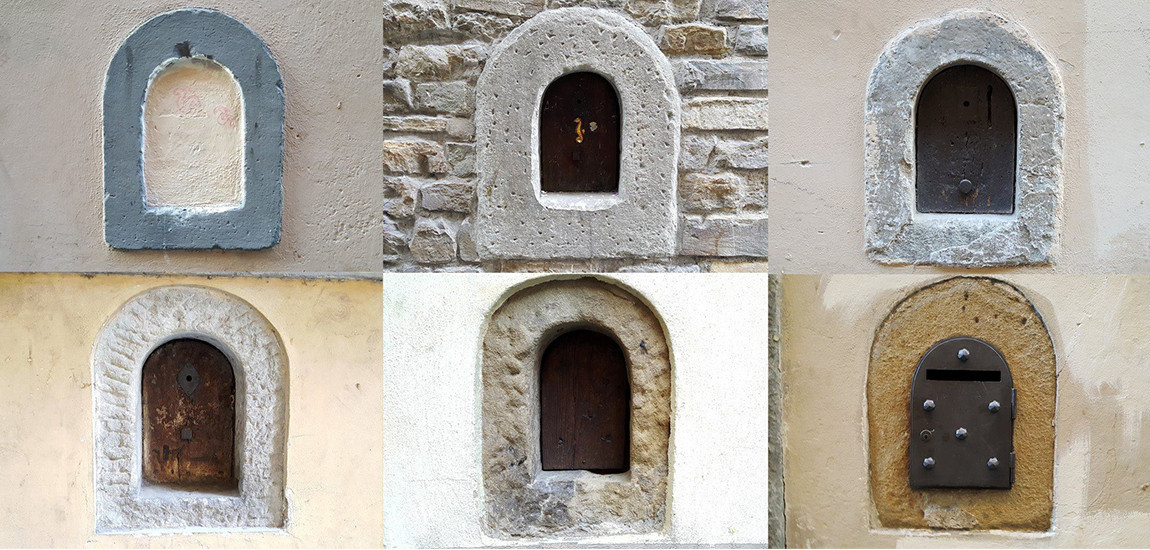 Walking down the streets
of Florence you might have seen them: tiny arched shaped doors on the walls of
buildings in the city center. Many wonder what they are, even some florentines
don't know their history.
They are called "buchette
del vino" (litterally "wine holes"), closed with little
wooden doors...
Walking down the streets
of Florence you might have seen them: tiny arched shaped doors on the walls of
buildings in the city center. Many wonder what they are, even some florentines
don't know their history.
They are called "buchette
del vino" (litterally "wine holes"), closed with little
wooden doors...
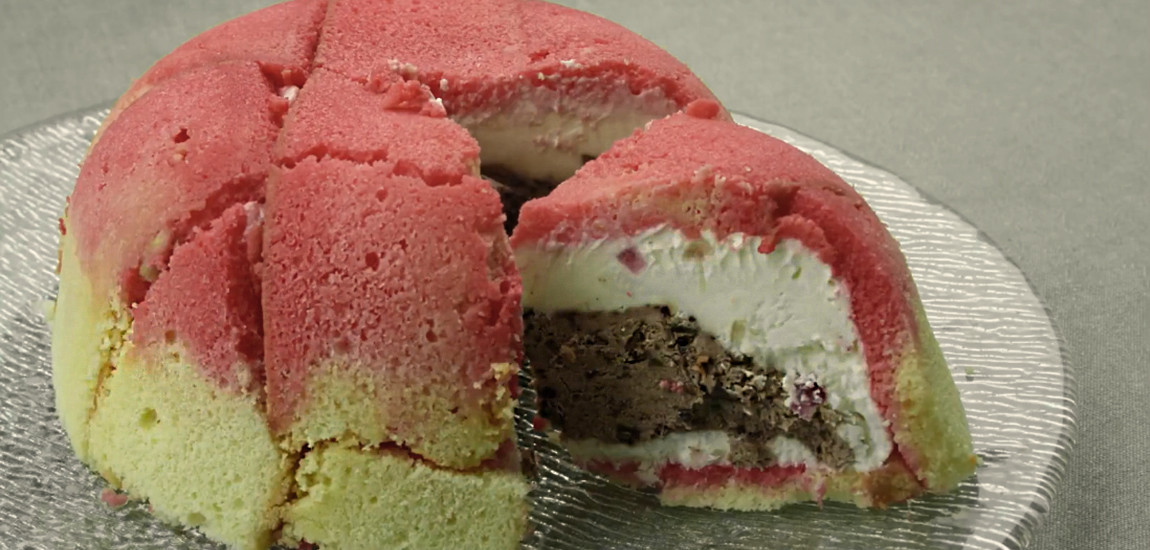 Florentine zuccotto is a
semifreddo liqueur dessert invented in the mid-sixteenth century by Bernardo Buontalenti, the same
Buontalenti to whom we also owe the invention gelato. It
is also called Caterina de' Medici’s
Helmet, since it seems that originally, to make this dessert, the helmets
worn by the infantry at...
Florentine zuccotto is a
semifreddo liqueur dessert invented in the mid-sixteenth century by Bernardo Buontalenti, the same
Buontalenti to whom we also owe the invention gelato. It
is also called Caterina de' Medici’s
Helmet, since it seems that originally, to make this dessert, the helmets
worn by the infantry at...
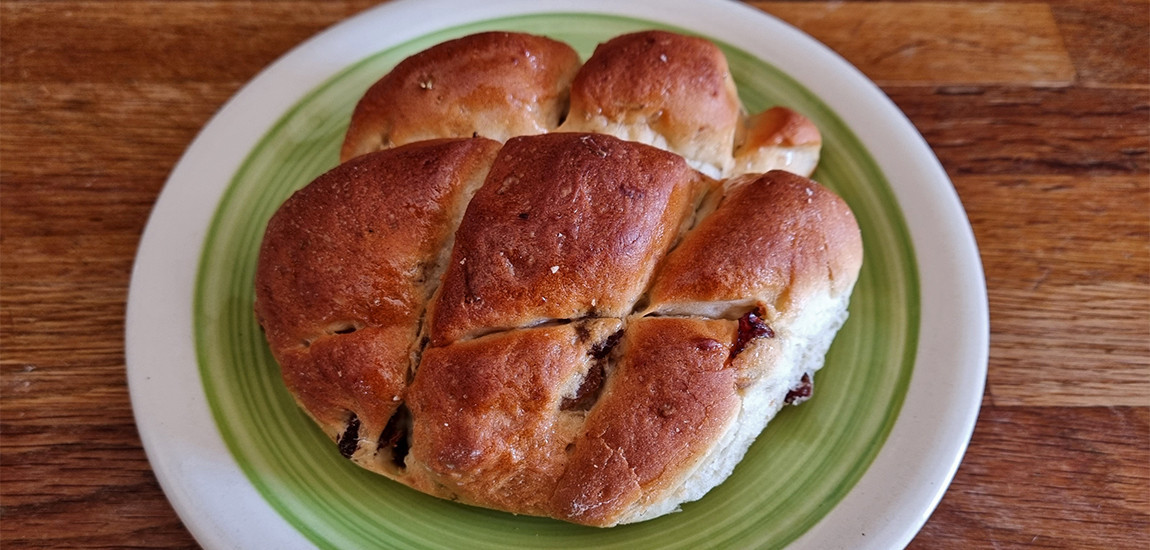 Pan di Ramerino is a sweet bun typical of the Tuscan tradition, that
used to be prepared on Holy Thursday. "Ramerino" is a Tuscan
word from the 14th century with which the Florentines still call rosemary, the fundamental ingredient of Pan di
Ramerino, to which this preparation owes its unmistakable...
Pan di Ramerino is a sweet bun typical of the Tuscan tradition, that
used to be prepared on Holy Thursday. "Ramerino" is a Tuscan
word from the 14th century with which the Florentines still call rosemary, the fundamental ingredient of Pan di
Ramerino, to which this preparation owes its unmistakable...
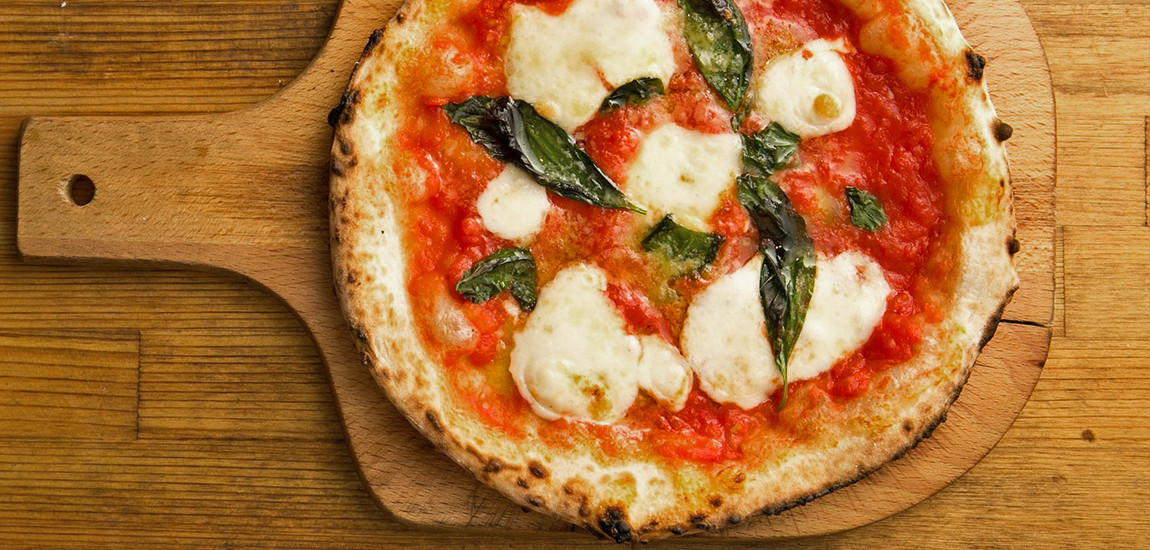 The ancestors of pizzaPizza, the most famous Made in Italy product in the world, has very ancient origins. Its first ancestor dates back to the time of the Ancient Egypt, when yeast was discovered, a fundamental ingredient for creating the dough for bread and focaccia which were then filled or...
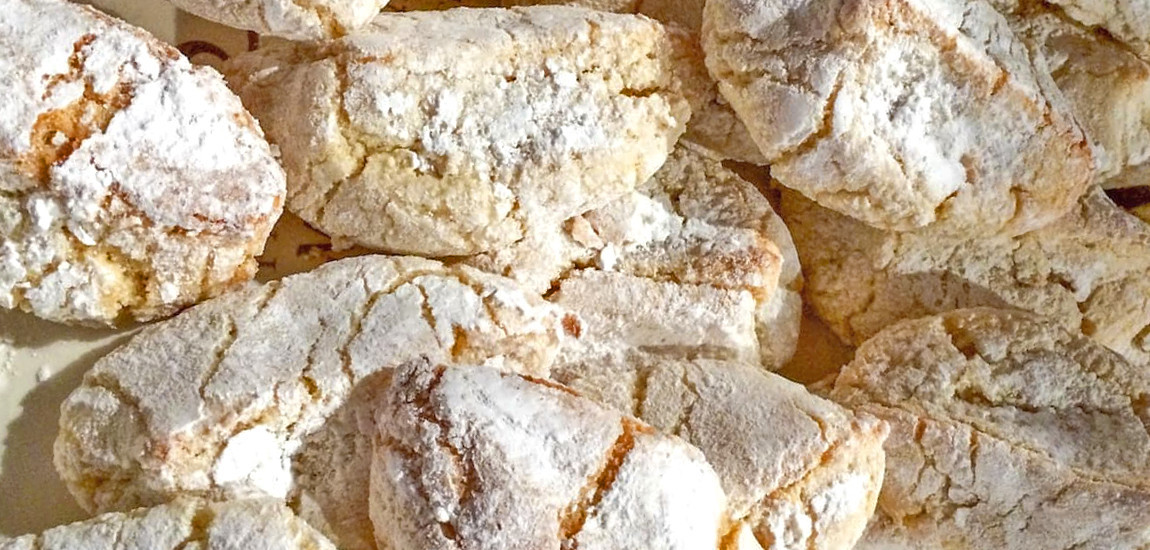 In Tuscany they are much loved and are often given as gifts to friends and relatives during the Christmas period, yet no one knows the exact origin of the Ricciarelli of Siena.According to a legend, it was the knight Ricciardetto Della Gherardesca who brought back from the Crusades these sweets,...
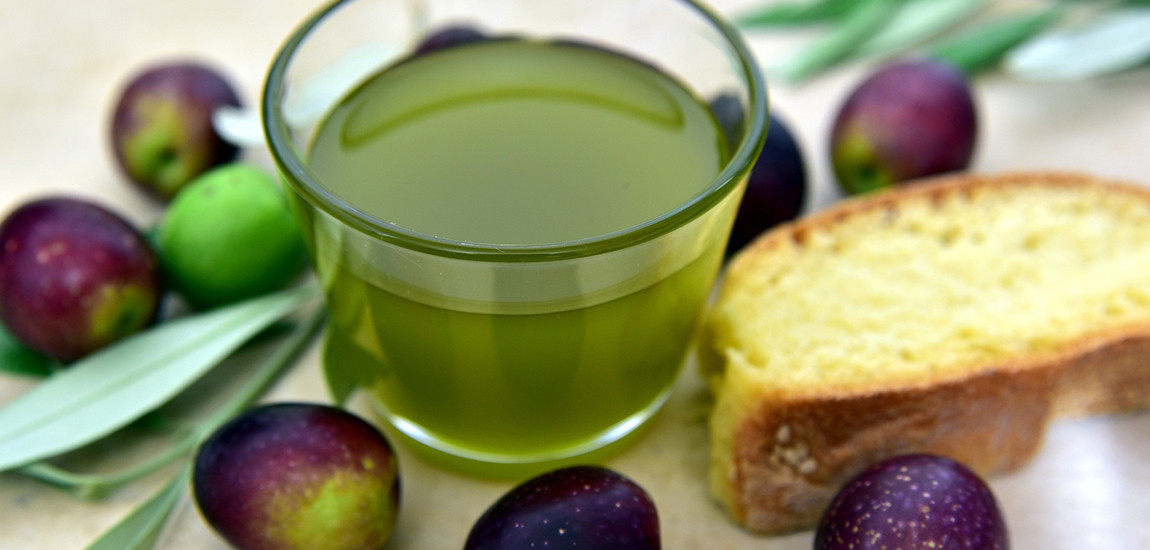 Between
October and November is the season
of the Olio Nuovo or Novello (New Oil), and every
Florentine lover of this green gold can't wait for this time of year to arrive
in order to get a bottle of it. In fact, getting a large stock of it is no...
Between
October and November is the season
of the Olio Nuovo or Novello (New Oil), and every
Florentine lover of this green gold can't wait for this time of year to arrive
in order to get a bottle of it. In fact, getting a large stock of it is no...
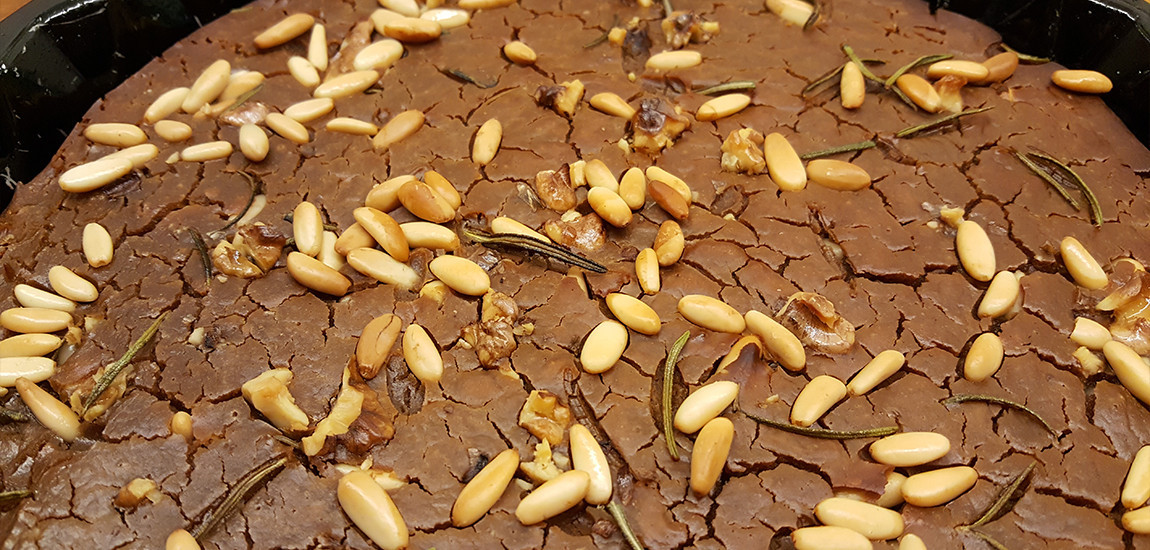 Autumn is a
bittersweet season. Not everyone appreciates the cooler air and the fiery
colors of the changing leaves, because that means the end of hot summer days
and the arrival of gray skies and rain.
From a culinary point of view though,
autumn agrees almost with everyone: pumpkins, chestnuts,...
Autumn is a
bittersweet season. Not everyone appreciates the cooler air and the fiery
colors of the changing leaves, because that means the end of hot summer days
and the arrival of gray skies and rain.
From a culinary point of view though,
autumn agrees almost with everyone: pumpkins, chestnuts,...
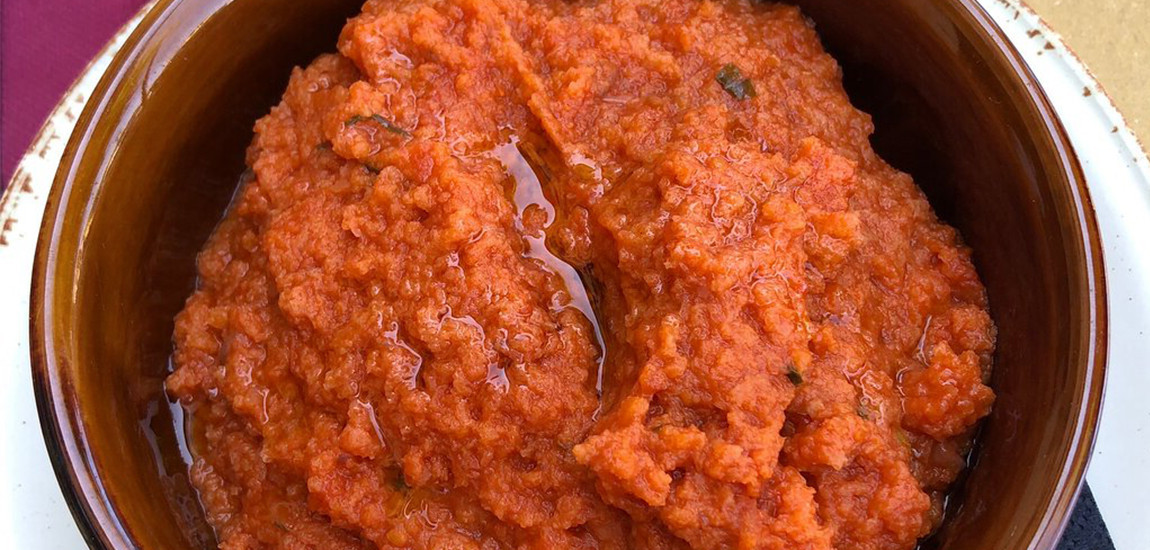 It
is cooked with beans, cabbage, onions and finally with tomatoes: the Tuscans'
love for stale bread is
unparalleled. Nothing has ever been wasted in Tuscan kitchens, and when there
was some left-over bread, it was reused in all possible ways.
The
most famous recipes of the Tuscan tradition that...
It
is cooked with beans, cabbage, onions and finally with tomatoes: the Tuscans'
love for stale bread is
unparalleled. Nothing has ever been wasted in Tuscan kitchens, and when there
was some left-over bread, it was reused in all possible ways.
The
most famous recipes of the Tuscan tradition that...
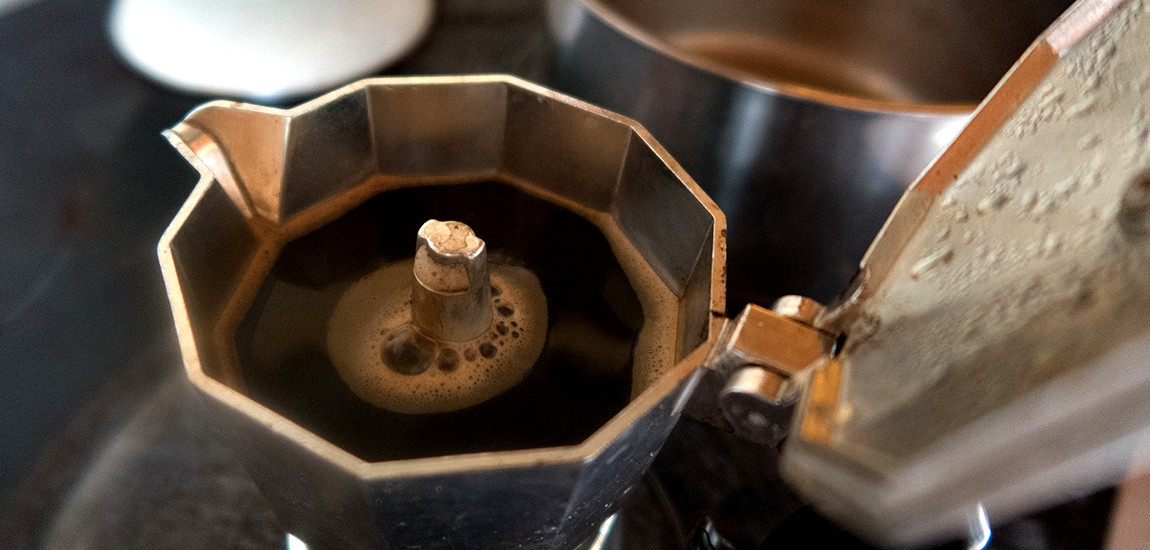 Coffee is consumed in large
quantities all over the world, but it is a known fact that Italians are
particularly fond of this drink, so much so that they have made its preparation
an art.
Coffee beans arrived in Italy, more
precisely in Venice, from the East around 1570. Initially,...
Coffee is consumed in large
quantities all over the world, but it is a known fact that Italians are
particularly fond of this drink, so much so that they have made its preparation
an art.
Coffee beans arrived in Italy, more
precisely in Venice, from the East around 1570. Initially,...
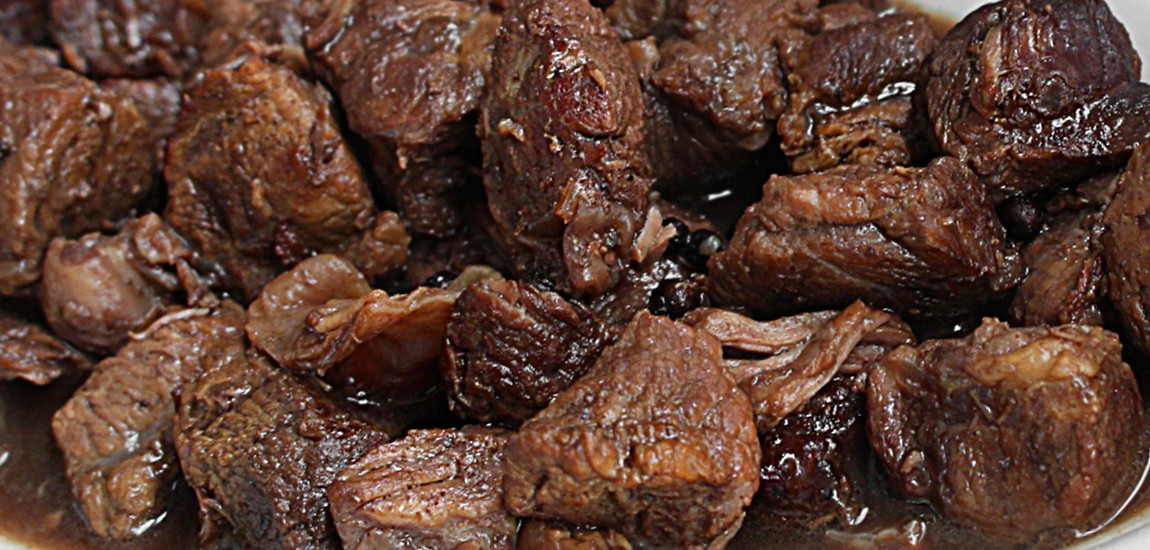 Today
we offer you a truly delicious and substantial dish of the Tuscan culinary
tradition: Peposo dell'Impruneta.
This recipe, originally from Impruneta, a village in the hills near Florence,
is similar to a stew and takes its name from the copious amount of pepper
that is used in its preparation. This...
Today
we offer you a truly delicious and substantial dish of the Tuscan culinary
tradition: Peposo dell'Impruneta.
This recipe, originally from Impruneta, a village in the hills near Florence,
is similar to a stew and takes its name from the copious amount of pepper
that is used in its preparation. This...
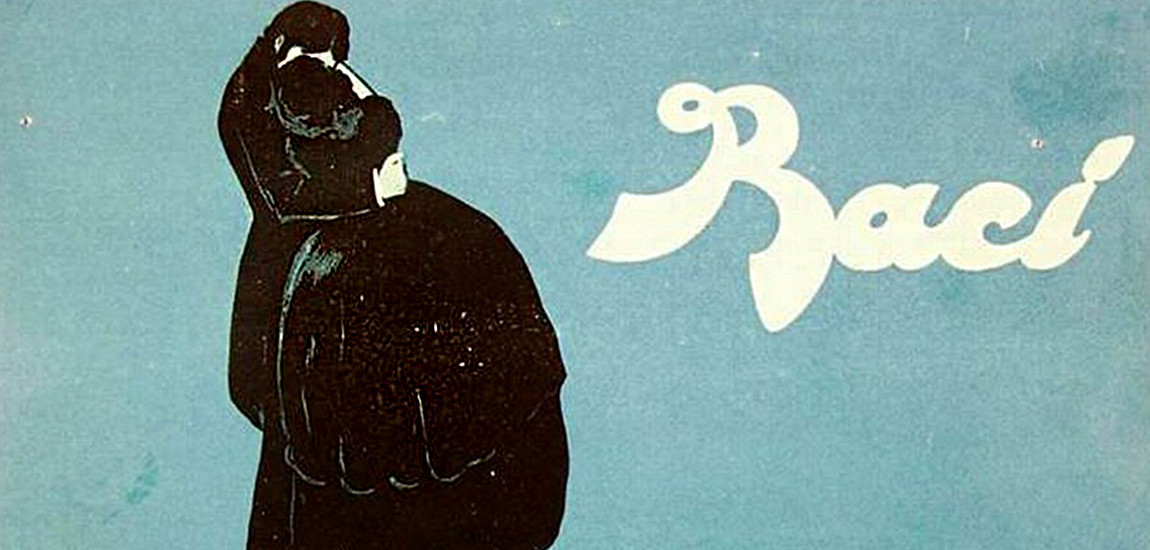 In
Italy they are a big hit, even 100 years after their creation. We mostly give
them as presents for Saint Valentine’s
day, but also on Mother’s Day and a variety of other occasions. In fact, we
love them so much, that we eat them all year round. They are...
In
Italy they are a big hit, even 100 years after their creation. We mostly give
them as presents for Saint Valentine’s
day, but also on Mother’s Day and a variety of other occasions. In fact, we
love them so much, that we eat them all year round. They are...
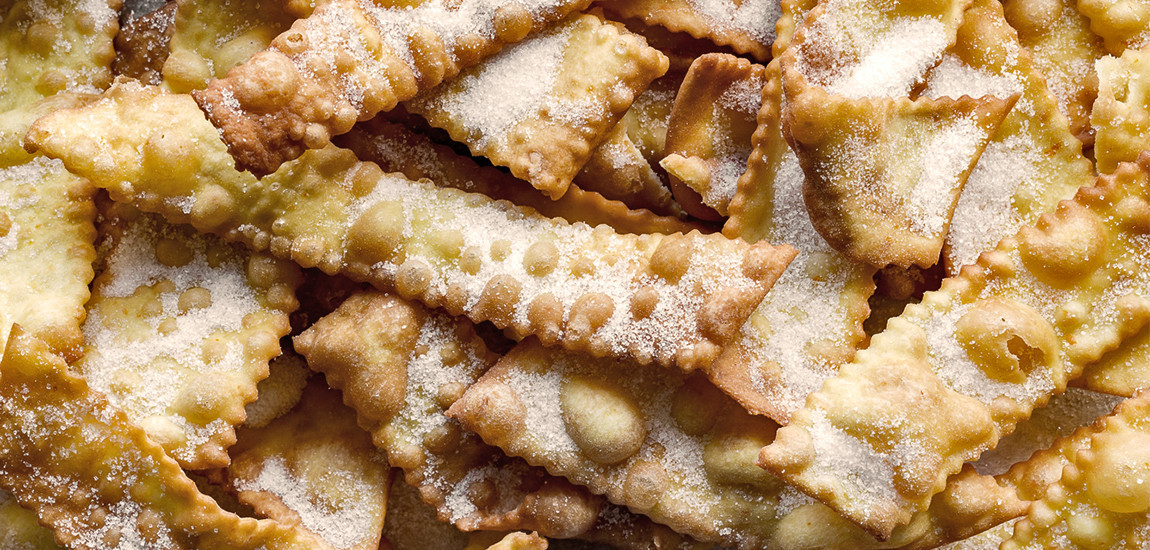 During Carnevale each of us should let go and have some fun, no more diets, but rather, it is time to indulge in sweets! That's why there are so many pastry preparations related to this period. In particular, a dessert ever present at carnival in Tuscany are "Cenci" (rags), sweet...
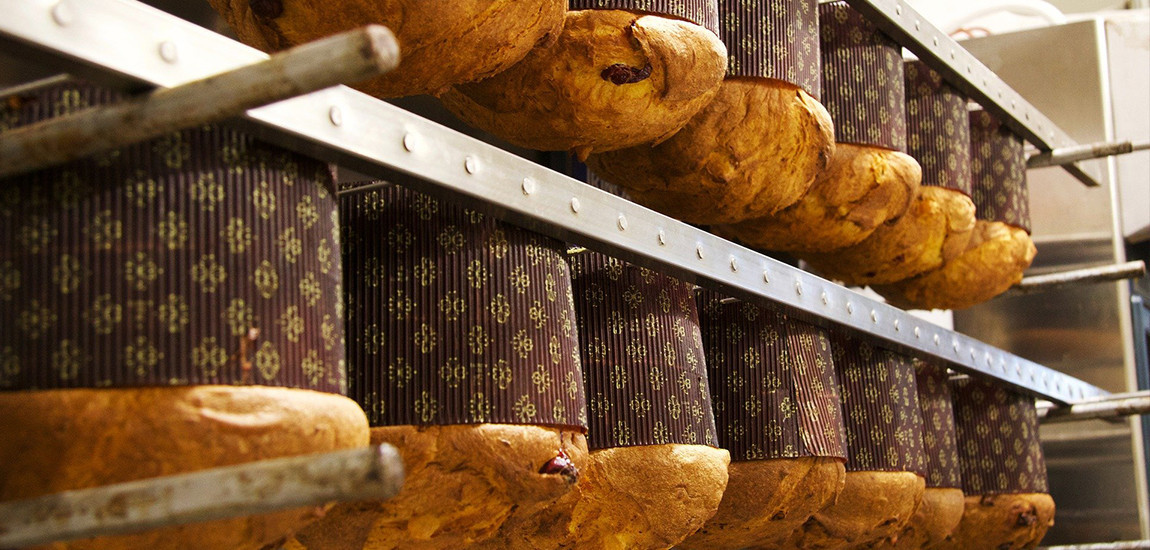 Nothing
divides Italians more than the choice between Panettone and Pandoro,
the Christmas cakes par excellence.
Between
the two, Panettone is certainly the
one with the most ancient origins. In fact, we’re talking of a recipe that has
its roots in a tradition dating back to the times of the...
Nothing
divides Italians more than the choice between Panettone and Pandoro,
the Christmas cakes par excellence.
Between
the two, Panettone is certainly the
one with the most ancient origins. In fact, we’re talking of a recipe that has
its roots in a tradition dating back to the times of the...
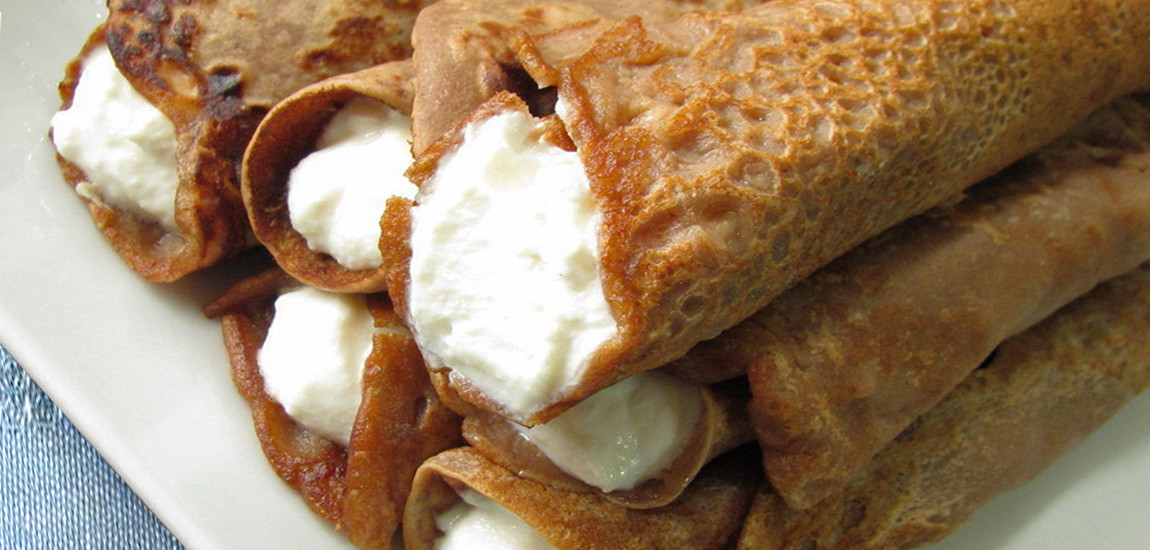 Autumn is the time for chestnuts, and Tuscan cuisine is full
of dishes based on this highly nutritious ingredient, once an important source
of sustenance for the poorest populations and especially for those who lived in
the countryside.
Among the traditional
Tuscan recipes that use chestnuts, the one best known...
Autumn is the time for chestnuts, and Tuscan cuisine is full
of dishes based on this highly nutritious ingredient, once an important source
of sustenance for the poorest populations and especially for those who lived in
the countryside.
Among the traditional
Tuscan recipes that use chestnuts, the one best known...
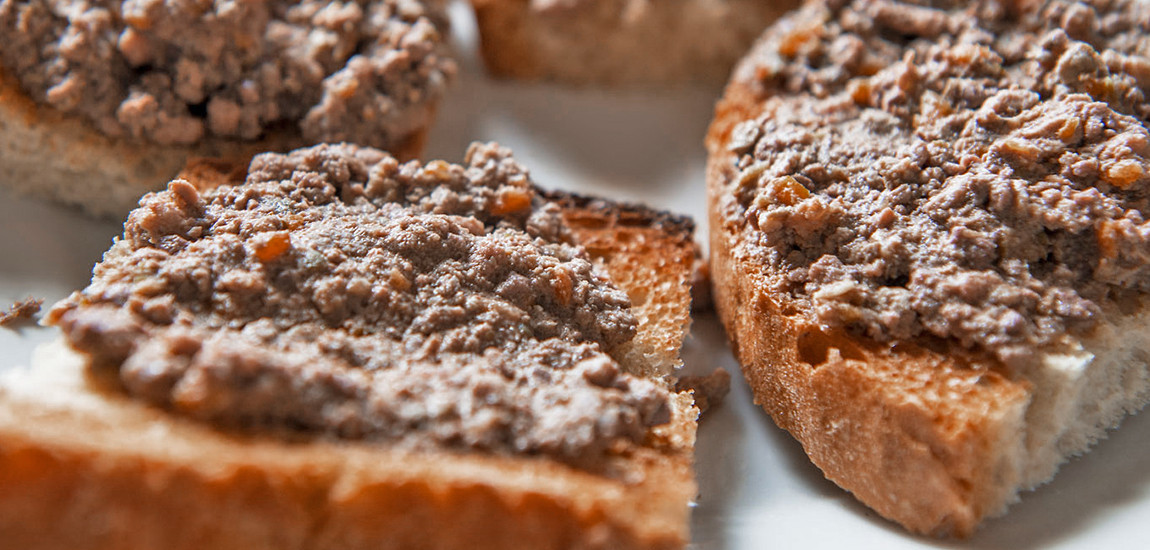 Tuscan
crostini, also known as crostini neri (black),
are the Tuscan appetizer par excellence. Exceptionally tasty, they are perfect
for all seasons as they can be consumed both warm and cold, and are perfect for
a light aperitif with a glass of good red wine, or as a snack before...
Tuscan
crostini, also known as crostini neri (black),
are the Tuscan appetizer par excellence. Exceptionally tasty, they are perfect
for all seasons as they can be consumed both warm and cold, and are perfect for
a light aperitif with a glass of good red wine, or as a snack before...
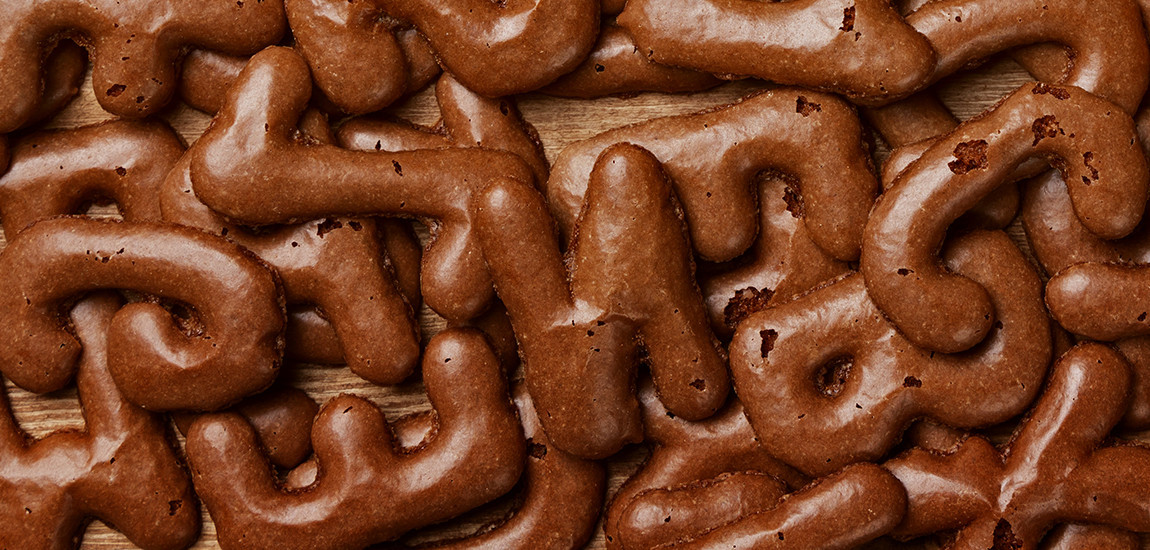 In the period of Lent (Quaresima in italian), that is from Ash Wednesday until Holy Thursday, in all Florentine pastry shops we find Biscotti Quaresimali, Lenten biscuits: typical cocoa biscuits connected to the period of abstinence from animal-derived foods imposed by the Christian tradition, in respect of the days of...
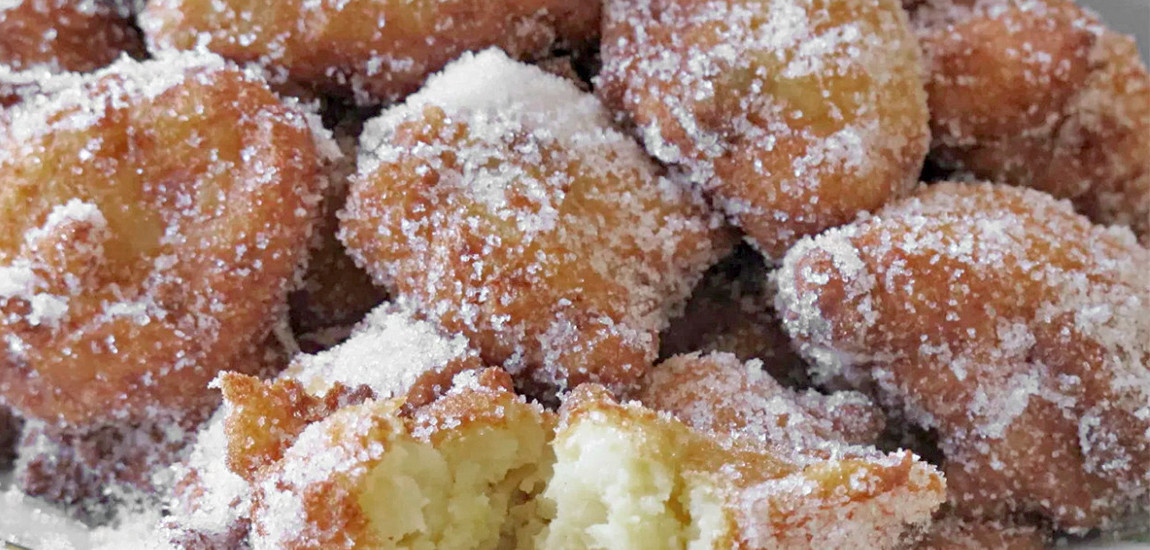 After binge eating over Christmas it is already time to fill our stomachs again with new delicacies. It's the Carnival season! This means it is time for Schiacciata alla Fiorentina, Cenci and Frittelle di San Giuseppe (Saint Joseph’s fritters)!Tuscan sweet rice fritters (frittelle di riso) are one of the most...
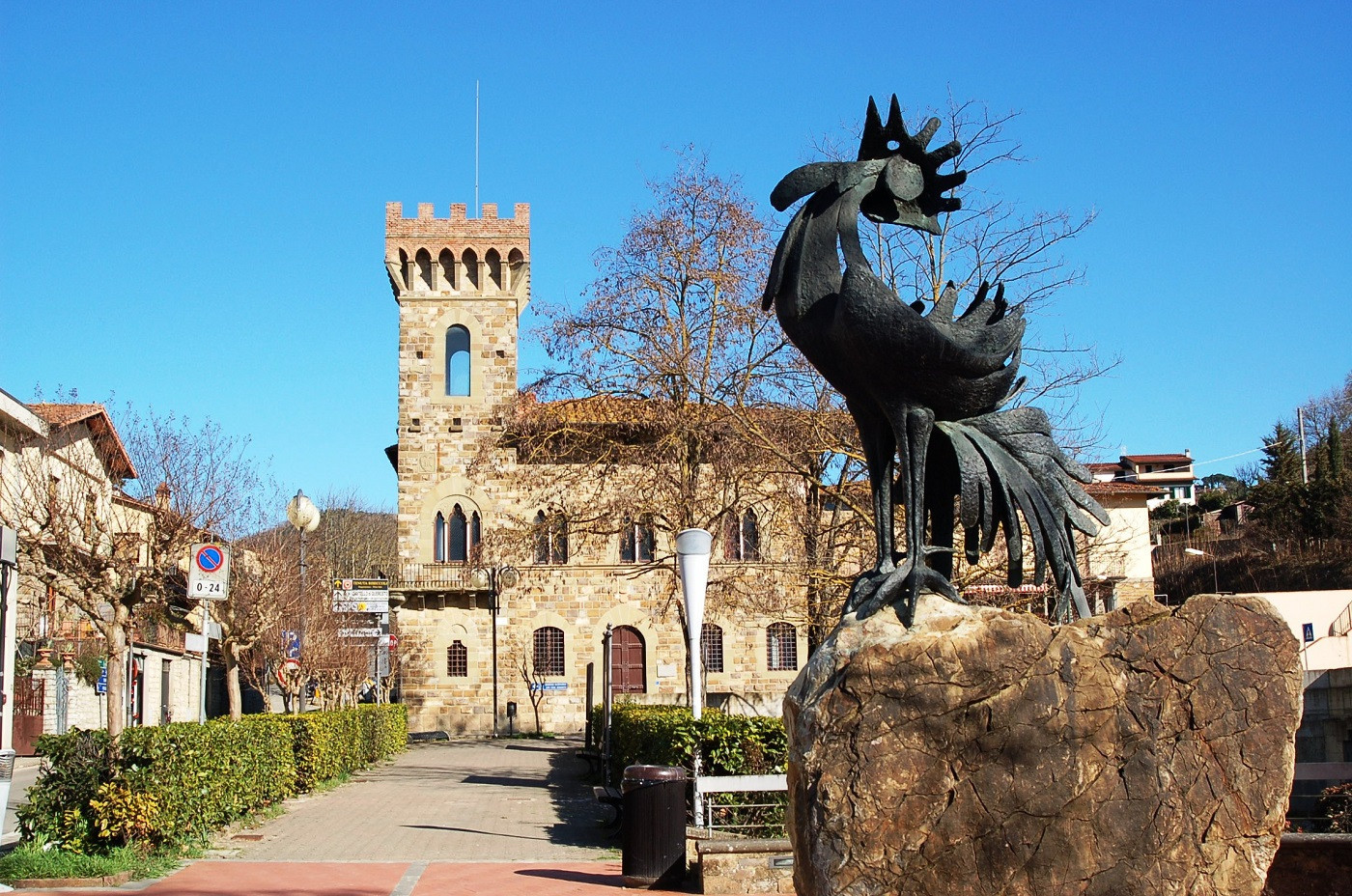 Every company, every organization can’t do without a
logo, a symbol to be recognized immediately, placed on products, websites,
letterheads, documents, advertising, labels, wherever possible. It has
a strong evocative and commercial power and companies often invest heavily in
this graphic representation to which an important industrial design sector is...
Every company, every organization can’t do without a
logo, a symbol to be recognized immediately, placed on products, websites,
letterheads, documents, advertising, labels, wherever possible. It has
a strong evocative and commercial power and companies often invest heavily in
this graphic representation to which an important industrial design sector is...
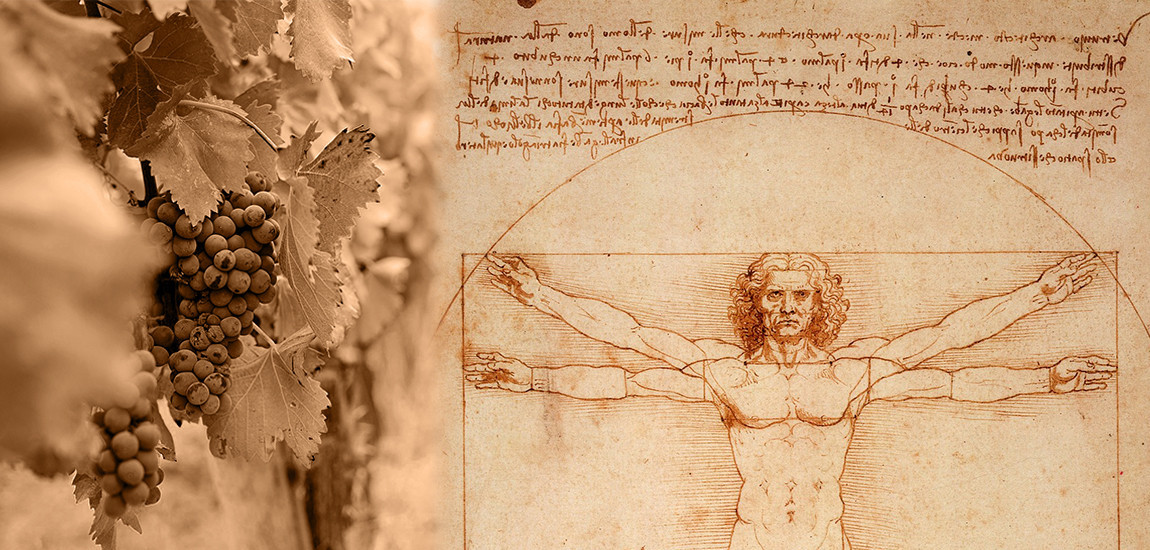 An original letter from Leonardo da Vinci has come down to us, we try to give here a translation. It speaks of wine, the wine he himself produced in Fiesole:"From Milan to Zanobi Boni, my farm manager. 9
December 1515. The last four jars were not as expected and I...
An original letter from Leonardo da Vinci has come down to us, we try to give here a translation. It speaks of wine, the wine he himself produced in Fiesole:"From Milan to Zanobi Boni, my farm manager. 9
December 1515. The last four jars were not as expected and I...
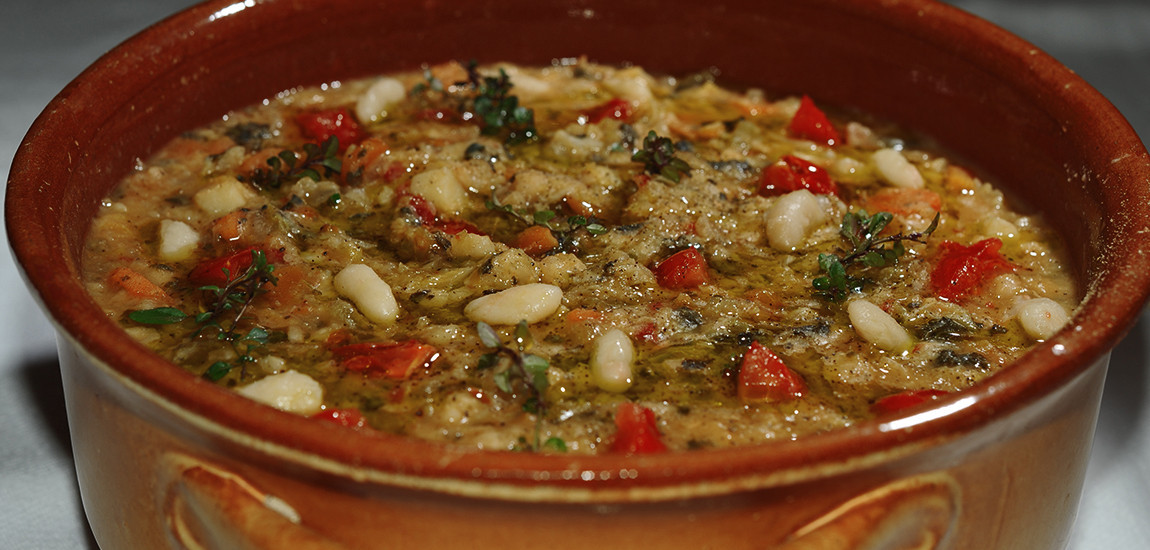 Ribollita, along with with the steak, is a symbol of Tuscan cuisine. A thick and
nutritious soup characterized by simple flavors and healthy ingredients,
perfect for cold winter days.
Already in the Middle Ages, it was the custom for the poorest families to
prepare a vegetable-based soup on Fridays, since...
Ribollita, along with with the steak, is a symbol of Tuscan cuisine. A thick and
nutritious soup characterized by simple flavors and healthy ingredients,
perfect for cold winter days.
Already in the Middle Ages, it was the custom for the poorest families to
prepare a vegetable-based soup on Fridays, since...
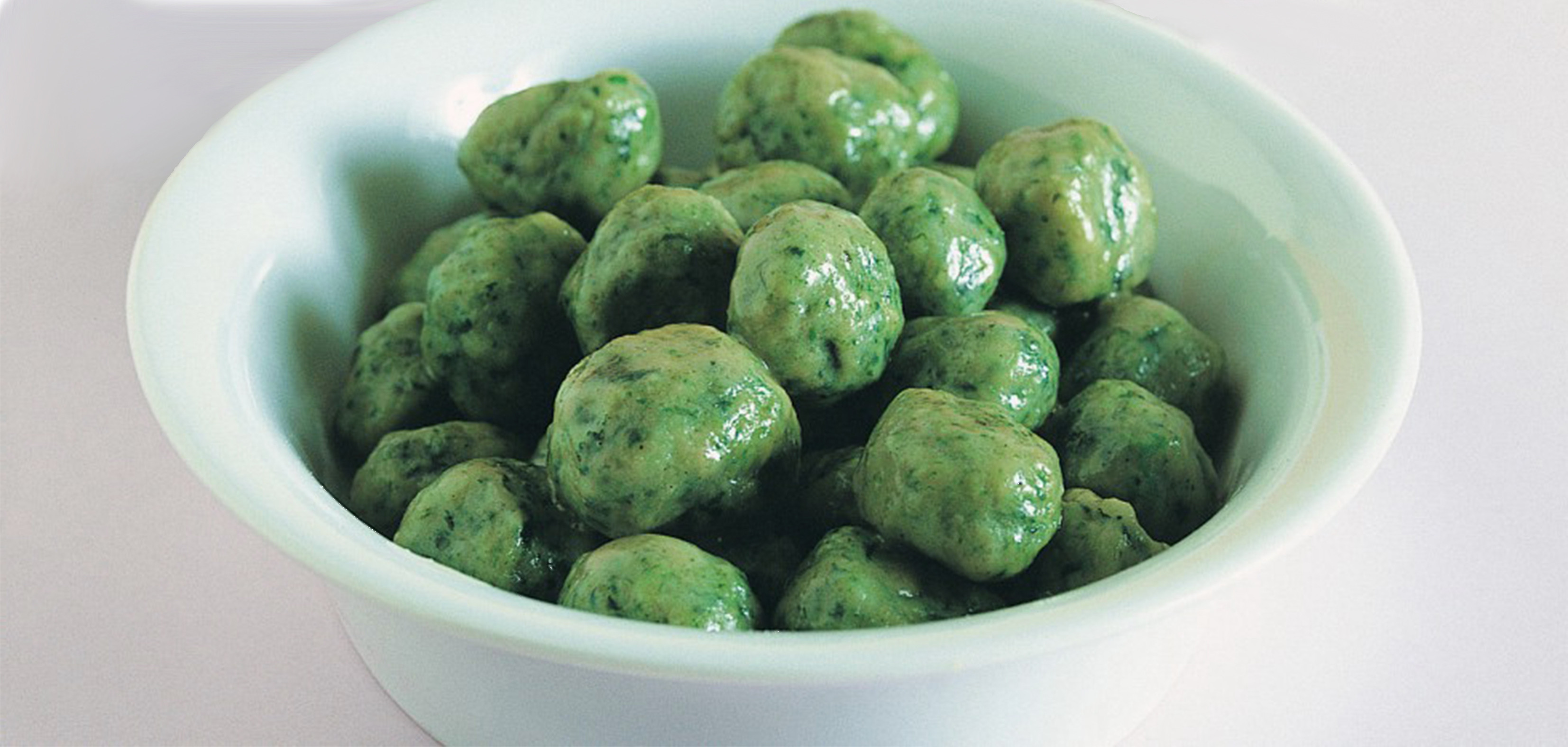 Traditional Tuscan dishes never disappoint, always substantial, simple but tasty. They do not allow themselves to be corrupted by peculiar and refined ingredients, by embellishments and superfluous additions, they go straight to the point and above all to the taste!
Gnudi are one of the many dishes of our territory...
Traditional Tuscan dishes never disappoint, always substantial, simple but tasty. They do not allow themselves to be corrupted by peculiar and refined ingredients, by embellishments and superfluous additions, they go straight to the point and above all to the taste!
Gnudi are one of the many dishes of our territory...
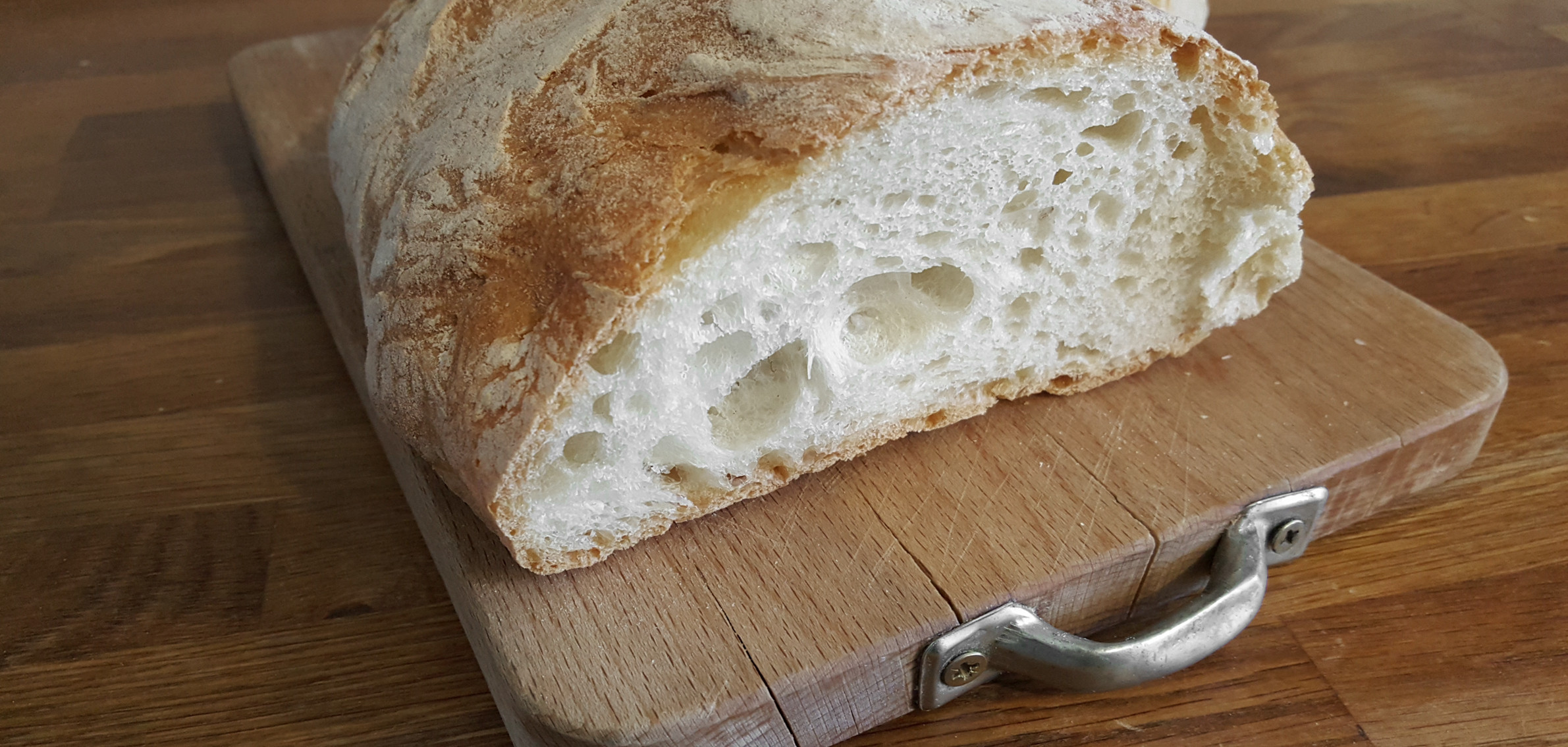 We can all agree that Italian bread is what dreams are made of; for us a good meal is not the same without it.
But did you know that Tuscan bread is very different from the other Italian breads? Alas, for once, we’re missing something the rest of Italy isn’t:...
We can all agree that Italian bread is what dreams are made of; for us a good meal is not the same without it.
But did you know that Tuscan bread is very different from the other Italian breads? Alas, for once, we’re missing something the rest of Italy isn’t:...
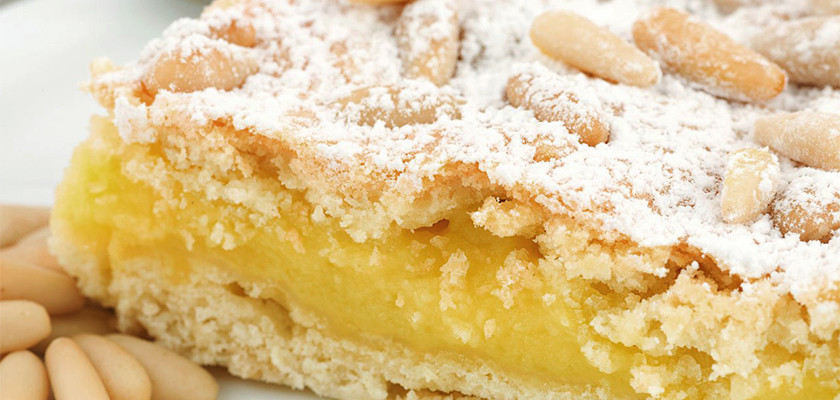 We must admit that Tuscan cuisine is not renowned for its desserts, but the few that are part of the tradition are really special and delicious. One of them is the famous Torta della Nonna (Grandma’s Cake), everpresent on the tables of the Florentines.
With a name such as this...
We must admit that Tuscan cuisine is not renowned for its desserts, but the few that are part of the tradition are really special and delicious. One of them is the famous Torta della Nonna (Grandma’s Cake), everpresent on the tables of the Florentines.
With a name such as this...